
OEM Sunglasses Production: Minimum Order Quantities Explained
- Understanding Minimum Order Quantities in Sunglasses Manufacturing
- What Exactly is an MOQ and Why Does It Matter?
- The Economic Drivers Behind MOQs for Custom Sunglasses
- How MOQs Shape Your Custom Sunglasses Brand Strategy
- Factors Influencing OEM Sunglasses MOQs
- Production Complexity and Customization Level
- Material Sourcing and Component Availability
- Supplier Type and Production Scale
- Navigating and Negotiating MOQs for Your Custom Sunglasses Project
- Strategies for Working with High MOQs
- Finding Suppliers with Lower MOQs
- The Art of Negotiation: Beyond the Quoted MOQ
- The Hidden Costs and Benefits of Different MOQ Levels
- The True Cost of a Low MOQ
- The Advantages of Meeting Higher MOQs
- Frequently Asked Questions (FAQ) About OEM Sunglasses MOQs
As a professional content writer with a deep understanding of the eyewear industry, market trends, and the intricacies of global manufacturing, I've seen countless brands navigate the exciting yet challenging journey of bringing their custom Sunglasses designs to life. One of the most critical hurdles, and often the first point of serious consideration for any aspiring eyewear brand or product manager, is understanding and managing Minimum Order Quantities (MOQs) in OEM (Original Equipment Manufacturer) production.
MOQs are the non-negotiable threshold for initiating a production run. For businesses looking to create unique custom Sunglasses, comprehending MOQs isn't just about placing an order; it's about strategic planning, budgeting, supplier relationships, and ly, the viability of your product in the market. This comprehensive guide will demystify OEM sunglasses MOQs, offering expert insights into why they exist, how they vary, and practical strategies to ensure your production journey is smooth and successful.
Understanding Minimum Order Quantities in Sunglasses Manufacturing
When venturing into the world of OEM sunglasses production, the term 'Minimum Order Quantity' (MOQ) quickly becomes central to your business plan. It's more than just a number; it's a fundamental aspect of manufacturing economics that dictates the smallest amount of a product a supplier is willing to produce in a single batch. For anyone looking to create their own line of custom Sunglasses, a thorough understanding of MOQs is paramount.
What Exactly is an MOQ and Why Does It Matter?
An MOQ represents the minimum number of units a manufacturer requires to be ordered to justify setting up their production line. From a manufacturer's perspective, producing a small quantity of highly customized sunglasses can be inefficient and unprofitable. There are significant fixed costs involved in setting up machinery, sourcing specific materials, developing tooling (molds for frames, lens cutting dies), labor for initial setup and calibration, quality control checks, and even administrative overhead. These costs don't scale linearly; a factory incurs many of the same initial expenses whether they produce 100 or 10,000 units. Therefore, the MOQ ensures that the manufacturer can cover these fixed costs and achieve a reasonable profit margin on the order.
For a brand, the MOQ directly impacts their initial investment, inventory management, and market entry strategy. A higher MOQ means a larger upfront capital expenditure and a greater commitment to inventory, which can be a significant barrier for startups or brands testing new designs. Conversely, a lower MOQ might seem appealing but can come with trade-offs in terms of per-unit cost or customization options. Understanding this balance is crucial for anyone entering the custom Sunglasses market.
The Economic Drivers Behind MOQs for Custom Sunglasses
The MOQs for custom Sunglasses are not arbitrary; they are meticulously calculated based on several underlying economic factors that influence the manufacturer's profitability and operational efficiency. These drivers include:
- Tooling and Mold Costs: Creating unique frame molds, lens cutting tools, and branding plates (for logos) involves significant upfront investment. Manufacturers amortize these costs across the MOQ. If you require a completely new design, the MOQ will likely be higher to recover these development expenses.
- Raw Material Procurement: Suppliers often purchase raw materials (e.g., acetate sheets, TR90 pellets, metal alloys, lens blanks) in bulk from their own suppliers to secure better pricing. Their MOQ for you reflects the minimum amount of raw material they can efficiently utilize without excessive waste or holding costs.
- Production Setup and Changeover: Each production run requires time for machine setup, calibration, and material loading. Switching between different designs, colors, or materials incurs 'changeover' costs. A larger MOQ reduces the frequency of these changeovers, leading to greater efficiency.
- Labor and Quality Control: Assigning labor to a small batch can be less efficient than a continuous run. Furthermore, quality control processes (inspection of raw materials, in-process checks, final inspection) are streamlined for larger batches, making per-unit costs lower.
- Customization Complexity: The more unique and intricate your custom Sunglasses design (e.g., custom hinges, unique lens coatings, specialized packaging), the higher the MOQ tends to be, as it involves more specialized processes and dedicated attention.
How MOQs Shape Your Custom Sunglasses Brand Strategy
MOQs are not just a production metric; they are a strategic lever that profoundly influences various aspects of HECHANG's development. For a new brand, a high MOQ can be a significant entry barrier, demanding a substantial initial investment and posing inventory risks if market reception is uncertain. Conversely, a very low MOQ might mean higher per-unit costs, impacting your retail pricing and profit margins. Here's how MOQs shape your strategy:
- Budget Allocation: Your initial investment in custom Sunglasses production will be heavily dictated by the MOQ. This directly affects your capital allocation for marketing, distribution, and other operational expenses.
- Inventory Management: A higher MOQ necessitates greater warehousing space, higher insurance costs, and potentially increased risk of obsolescence if trends shift or sales underperform. Effective inventory planning is crucial.
- Market Entry and Testing: For startups or brands testing new designs, lower MOQs allow for more agile market entry, enabling smaller batch tests and faster iteration based on customer feedback. Higher MOQs require more confidence in market demand.
- Product Diversification: If you plan to offer multiple styles, colors, or sizes of custom Sunglasses, higher MOQs for each variant can quickly escalate costs and inventory levels. This often leads brands to start with a limited range.
- Supplier Relationship: Meeting a manufacturer's preferred MOQ can position you as a more valuable client, potentially opening doors for better pricing, faster lead times, or preferential treatment on future orders.
Factors Influencing OEM Sunglasses MOQs
The question, What is the MOQ for custom Sunglasses? doesn't have a single answer. MOQs are dynamic and depend on a confluence of factors unique to each project and manufacturer. Understanding these variables empowers you to make informed decisions and find the right production partner.
Production Complexity and Customization Level
One of the most significant determinants of MOQ is the level of customization and the inherent complexity of your custom Sunglasses design. Generally, the more unique your specifications, the higher the MOQ:
- Standard vs. Custom Molds: If you're using an existing frame mold from a factory's catalog, the MOQ will typically be lower because the manufacturer doesn't incur tooling costs. However, for a completely bespoke frame design, you'll need to absorb the cost of a new mold, which often translates to a higher MOQ to amortize this investment.
- Material and Finish: Standard materials (e.g., basic PC, common acetate colors) will have lower MOQs than specialized or custom-dyed materials. Unique finishes like custom coatings, laser etching, or intricate patterns also increase complexity and, subsequently, the MOQ.
- Lens Specifications: Standard UV400 lenses in common colors (smoke, brown) have lower MOQs. However, specialized lenses such as polarized, photochromic, gradient, or those with custom anti-reflective coatings will demand higher MOQs due to specific manufacturing processes and material requirements.
- Branding Methods: Simple pad printing or laser engraving of a logo might have a relatively low MOQ. However, custom metal insignias, embedded logos within acetate, or elaborate packaging designs can significantly increase the production threshold.
Material Sourcing and Component Availability
The availability and sourcing requirements of the components and raw materials for your custom Sunglasses also play a crucial role in determining MOQs.
- Common vs. Specialized Materials: Mass-produced materials like standard polycarbonate or common acetate sheets are readily available in bulk, allowing for lower MOQs. In contrast, exotic woods, rare metal alloys, or specially formulated plastics may need to be ordered in larger quantities from the supplier's own vendors, pushing up your MOQ.
- Component Lead Times: If certain components (e.g., unique hinges, screws, nose pads) need to be custom-made or imported, the supplier will need to order them in bulk to meet their own vendor's MOQs and secure favorable pricing. This then translates to a higher MOQ for your finished sunglasses.
- Inventory Holding Costs: Manufacturers aim to minimize their inventory holding costs. If a specific material or component is rarely used, they will require a higher MOQ to ensure they don't end up with excess stock after your production run.
Supplier Type and Production Scale
The type and scale of the OEM supplier you choose can dramatically influence the MOQs they offer. Different factories cater to different market segments:
- Large-Scale Manufacturers: These factories often operate with highly automated processes and large production capacities. They typically have higher MOQs but can offer significant economies of scale, leading to lower per-unit costs for large orders. They are ideal for established brands with high sales volumes for their custom Sunglasses.
- Mid-Sized Factories: These offer more flexibility, potentially balancing reasonable MOQs with competitive pricing. They are often a good fit for growing brands that have moved beyond initial small batches but aren't yet at enterprise scale.
- Small-Batch & Boutique Producers: Some smaller factories or specialized workshops cater specifically to lower MOQs, often focusing on niche designs or High Quality craftsmanship. While their MOQs are lower, their per-unit costs will generally be higher to compensate for less efficient production runs.
- Geographic Location: MOQs can also vary by country. For example, some Asian manufacturers might have higher MOQs due to large-scale production models, while European or US-based manufacturers might offer lower MOQs but at a High Quality price point, often associated with specific craftsmanship or ethical production standards.
Here’s an illustrative table outlining typical MOQ ranges based on customization levels and materials for custom Sunglasses:
| Customization Level / Material | Typical MOQ Range (Units) | Notes |
|---|---|---|
| Basic (Existing Mold, Standard Colors) | 300 - 500 | Simple branding (pad print/laser), common materials (PC, basic acetate). |
| Mid-Range (Existing Mold, Custom Color/Lens) | 500 - 1,000 | Custom Pantone colors, specific lens tints/coatings, slightly more intricate branding. |
| Advanced (New Mold, Bespoke Materials) | 1,000 - 3,000+ | Completely custom frame design, specialized materials (e.g., layered acetate, unique metal alloys), complex lens tech, unique packaging. |
| High Quality (High-End Materials, Small Batch) | 100 - 300 (Higher Per Unit Cost) | Specialized boutique production, often for luxury brands willing to pay a High Quality for exclusivity and unique craftsmanship, typically for very high-end custom Sunglasses. |
Navigating and Negotiating MOQs for Your Custom Sunglasses Project
Facing a high MOQ for your dream custom Sunglasses project can be daunting, but it's rarely a dead end. With the right strategies and a bit of negotiation savvy, you can often find a viable path forward. The key is to understand your options and communicate effectively with potential suppliers.
Strategies for Working with High MOQs
If your ideal manufacturer has an MOQ that seems out of reach, consider these approaches before giving up:
- Consolidate Orders: If you have multiple designs or colorways for your custom Sunglasses, check if the manufacturer will allow you to combine them to meet the overall MOQ. For example, if the MOQ is 1000 units, they might allow 500 units of design A and 500 units of design B, or even 200 units across five different colors, as long as the base frame mold is the same. This allows for product diversification without breaking the bank on a single SKU.
- Scale Up Gradually: Instead of launching with your vision, consider a phased approach. Start with a simpler version of your custom Sunglasses that utilizes existing molds and standard materials, allowing for a lower MOQ. Once you've established market demand and generated revenue, you can reinvest in higher MOQs for more complex, fully customized designs.
- Utilize Existing Molds with Customization: Many OEM factories have a catalog of existing frame molds. While this limits complete design freedom, you can still achieve a unique look by customizing colors, lens types, finishes, and branding. This significantly reduces tooling costs, making lower MOQs more feasible.
- Partnering or Group Buying: For truly high MOQs, consider collaborating with other small brands or retailers who are also looking for custom Sunglasses production. By pooling resources, you might meet the MOQ requirements and share the benefits of bulk pricing. This requires trust and careful coordination.
- Offer Long-Term Commitment: If you can demonstrate potential for recurring orders or a long-term partnership, a manufacturer might be more willing to lower the initial MOQ to secure a loyal client. This is about building a relationship and projecting future value.
Finding Suppliers with Lower MOQs
Not all manufacturers operate on the same scale or have the same business model. Actively seeking out suppliers who specialize in lower MOQs can be a game-changer for startups or those with limited budgets for their custom Sunglasses line.
- Niche Manufacturers and Small Workshops: Look for smaller factories or specialized boutique manufacturers that cater to independent brands, designers, or prototyping services. These often have more flexible production lines and are willing to take on smaller runs, albeit potentially at a higher per-unit cost.
- Online B2B Platforms: Websites like Alibaba, Made-in-China, or even specialized platforms for eyewear manufacturing can help you connect with a vast array of suppliers. Filter by MOQ and communicate directly to understand their capabilities. Be prepared to vet suppliers carefully.
- Trade Shows: Attending eyewear trade shows (e.g., Mido, Vision Expo, SILMO) allows you to meet manufacturers face-to-face, discuss your project, and inquire about their MOQ flexibility. These events are invaluable for networking and discovering new partners for your custom Sunglasses.
- Prototyping Services: Some companies specialize in small batch or prototyping production. While not suitable for mass production, they can be an excellent stepping stone for testing designs and market viability before committing to a larger OEM order.
The Art of Negotiation: Beyond the Quoted MOQ
MOQs are often presented as firm numbers, but there's frequently room for negotiation, especially if you approach it strategically. Remember that manufacturers are looking for profitable, long-term relationships.
- Build a Relationship: Present yourself as a serious, well-prepared business partner. Share your business plan, market analysis, and projected future orders. A manufacturer is more likely to be flexible for a client who demonstrates potential for growth and repeat business.
- Understand Their Pain Points: Inquire about why their MOQ is set at a certain level. Is it due to material sourcing, tooling, or production efficiency? Understanding their constraints allows you to propose solutions (e.g., using a common material, slightly adjusting your design).
- Be Flexible on Features: If the MOQ is too high, ask if reducing certain custom features (e.g., simpler lens coating, standard hinge, fewer color options) could lower the MOQ. Sometimes, a slight compromise on a non-critical feature can open up possibilities.
- Offer a Higher Down Payment: Showing good faith by offering a larger upfront deposit might incentivize a manufacturer to accept a slightly lower MOQ, as it reduces their financial risk.
- Agree to a Higher Per-Unit Price for Lower MOQ: Sometimes, a manufacturer might agree to a lower MOQ if you accept a higher per-unit cost to compensate for their reduced efficiency. Calculate whether this trade-off is viable for your budget and pricing strategy for your custom Sunglasses.
- Consider Off-Peak Production: During slower production periods, some manufacturers might be more amenable to lower MOQs to keep their lines running. Inquire about their production cycles.
The Hidden Costs and Benefits of Different MOQ Levels
Choosing an MOQ isn't just about the number of units; it's a decision that carries significant financial implications, both obvious and subtle. Understanding the true costs and benefits associated with different MOQ levels for your custom Sunglasses is essential for long-term business success.
The True Cost of a Low MOQ
While a low MOQ can seem appealing, especially for startups, it often comes with a set of hidden costs and limitations that can impact your profitability and brand development:
- Higher Per-Unit Cost: This is the most direct consequence. Manufacturers need to cover their fixed setup costs. Spreading these costs over fewer units inevitably leads to a higher cost per item. This can squeeze your profit margins, making it harder to price your custom Sunglasses competitively.
- Limited Customization Options: Suppliers offering low MOQs often do so by utilizing existing stock components, molds, and standard materials. This means less freedom to realize a truly unique design for HECHANG, potentially compromising HECHANG's distinctiveness.
- Fewer Supplier Options: The pool of manufacturers willing to accept very low MOQs is smaller, giving you less choice and potentially less leverage in negotiations. You might have to settle for a supplier who isn't the perfect fit.
- Potential Quality Trade-offs: While not always the case, some manufacturers offering very low MOQs might compromise on material quality, attention to detail, or consistency to make the small order profitable. Thorough due diligence and quality control are even more critical.
- Slower Lead Times: Small orders might be scheduled around larger, more profitable runs, leading to longer production lead times as your order waits for factory capacity.
- Limited Economies of Scale: You miss out on the cost efficiencies that come with bulk purchasing of materials, optimized labor utilization, and streamlined production processes.
The Advantages of Meeting Higher MOQs
Conversely, committing to a higher MOQ for your custom Sunglasses production, while requiring a larger initial investment, unlocks a range of significant advantages that can lead to greater profitability, stronger brand identity, and more robust operational efficiency:
- Lower Per-Unit Cost: The primary benefit is the significant reduction in per-unit cost due to economies of scale. Fixed costs are spread over a larger quantity, making each pair of sunglasses cheaper to produce. This directly improves your profit margins.
- Greater Customization and Exclusivity: Higher MOQs allow for greater investment in custom tooling (new molds), specialized materials, unique lens technologies, and intricate branding. This enables you to create truly distinctive custom Sunglasses that stand out in the market and reinforce HECHANG's unique selling proposition.
- Stronger Supplier Relationships: Large orders make you a more valued client. This can lead to preferential treatment, better communication, faster response times, and a willingness from the manufacturer to collaborate on new designs or resolve issues more readily.
- Improved Quality Consistency: Longer production runs allow for more consistent material batches and fine-tuned machine calibration, often resulting in higher overall product quality and fewer variations between units.
- Efficient Inventory and Supply Chain: While higher stock, it allows for more predictable inventory management and reduces the frequency of reordering, streamlining your supply chain and reducing administrative overhead per unit over time.
- Market Dominance and Scalability: Having a larger inventory allows you to meet higher market demand, scale your distribution channels more aggressively, and potentially capture a larger market share without constantly worrying about stockouts.
Here’s a comparison table summarizing the pros and cons of low vs. high MOQs for custom Sunglasses production:
| Feature/Consideration | Low MOQ (e.g., 100-300 units) | High MOQ (e.g., 1000+ units) |
|---|---|---|
| Per-Unit Cost | Higher | |
| Lower | ||
| Initial Investment | Lower | |
| Higher | ||
| Customization | Limited, often uses stock parts | Extensive, bespoke designs possible |
| Supplier Pool | Smaller, specialized | Larger, diverse |
| Lead Times | Potentially longer or variable | More predictable, potentially faster |
| Inventory Risk | Lower | |
| Higher | ||
| Profit Margins | Tighter | |
| Wider | ||
| Brand Uniqueness | Can be challenging | Easier to achieve distinctiveness |
| Scalability | Good for testing, limited for growth | Excellent for scaling and market penetration |
Navigating Minimum Order Quantities in OEM sunglasses production is a strategic dance between ambition and practicality. While low MOQs offer a gentle entry point, higher MOQs unlock economies of scale, extensive customization, and stronger supplier relationships crucial for building a formidable brand of custom Sunglasses. The decision ly hinges on HECHANG's vision, financial capacity, and market strategy.
By thoroughly understanding the economic drivers behind MOQs, actively researching and communicating with potential suppliers, and being open to negotiation and strategic compromises, you can transform a potential hurdle into a stepping stone for your business. Remember, the goal is not just to produce sunglasses, but to build a sustainable and successful eyewear brand that resonates with your target audience. Choose wisely, plan strategically, and your custom Sunglasses venture will thrive.
Frequently Asked Questions (FAQ) About OEM Sunglasses MOQs
What is a typical MOQ for custom sunglasses?A typical MOQ for custom sunglasses can vary significantly, ranging from 300-500 units for basic designs using existing molds and standard materials, up to 1,000-3,000+ units for fully custom designs requiring new molds, specialized materials, and complex features. High-end, boutique production might offer MOQs as low as 100-200 units but at a High Quality per-unit cost.
Can I get custom sunglasses with no MOQ?True 'no MOQ' custom sunglasses production is extremely rare in OEM manufacturing, especially for truly bespoke designs. Manufacturers need to cover setup costs. What might appear as 'no MOQ' often refers to dropshipping, print-on-demand services for existing frames, or simply a very low MOQ (e.g., 1-10 units) for which you'll pay a very high High Quality per unit, and customization options will be severely limited. For genuine OEM, expect a minimum threshold.
How can I reduce the MOQ for my custom sunglasses order?You can reduce the MOQ by being flexible: utilize existing frame molds instead of creating new ones, opt for standard materials and lens colors, simplify branding (e.g., pad printing vs. custom metal logos), or consolidate multiple colorways/designs into a single order if the base frame is the same. Building a good relationship with your supplier and demonstrating potential for future orders can also help in negotiations.
Does the type of material affect the MOQ?Yes, absolutely. Common materials like standard polycarbonate (PC) or widely available acetate sheets typically have lower MOQs. Specialized materials such as unique layered acetates, exotic wood veneers, custom-dyed plastics, or specific metal alloys often require higher MOQs because manufacturers need to order them in larger quantities from their own suppliers or dedicate specific production processes.
What are the risks of ordering below the recommended MOQ?If a manufacturer agrees to an order below their recommended MOQ, you typically face higher per-unit costs, potentially longer lead times (as your order might be fit into gaps in their production schedule), and possibly limited customization options. There's also a risk that the manufacturer might prioritize larger orders, affecting communication or flexibility for your smaller batch. Always ensure a clear agreement on quality standards and delivery timelines even for smaller runs.
Ready to produce your custom sunglasses?
Whether you're exploring options for your first collection or scaling an existing line, understanding MOQs is your first step. Our team of experts is here to guide you through every stage of OEM sunglasses production, from design to delivery.
(https://www.yourcompanywebsite.com/contact) | (https://www.yourcompanywebsite.com/services)
References:
- Wikipedia. (n.d.). Original equipment manufacturer. Retrieved from (https://en.wikipedia.org/wiki/Original_equipment_manufacturer) (Accessed: October 26, 2023)
- The Eyewear Industry. (n.d.). Market Research & Insights. (This would be a placeholder for an actual industry report or market analysis source, e.g., 'Grand View Research, 'The Global Eyewear Market Report').
- Investopedia. (n.d.). Economies of Scale. Retrieved from (https://www.investopedia.com/terms/e/economiesofscale.asp) (Accessed: October 26, 2023)
- Google's E-E-A-T Guidelines. (n.d.). Search Quality Rater Guidelines. Retrieved from (https://developers.google.com/search/docs/fundamentals/how-search-works/google-e-e-a-t) (Accessed: October 26, 2023)
Best professional sports glasses with prescription manufacturers and supplier brands
Best professional sports glasses for tennis manufacturers and supplier brands
The best budget ski goggles Cost Guide
Wholesale zenni optical glasses manufacturer and supplier
After-sales service
What should I do if my glasses are damaged during shipping?
If your glasses are damaged during shipping, please contact us immediately at [Email: vicky@hechangoptical.com / Phone: +86 185 8894 9336] with photos of the damage.
How long does it take to process a repair?
Repairs typically take 7 business days from the time we receive your glasses.
Company
How to cooperate with your company?
You can contact us through our official website or contact information, and our sales team will be happy to assist you.
Customization
What types of lenses do you offer for custom glasses?
We offer a variety of lens options to suit your needs, including single vision, bifocal, progressive, and blue light-blocking lenses. You can also choose from different lens materials, such as polycarbonate, high-index, and Trivex.
How can I contact customer support if I have additional questions?
If you have any additional questions or need further assistance, our friendly customer support team is here to help. You can reach us via phone, email, or live chat during our business hours, and we'll do our best to address your inquiries promptly and efficiently.
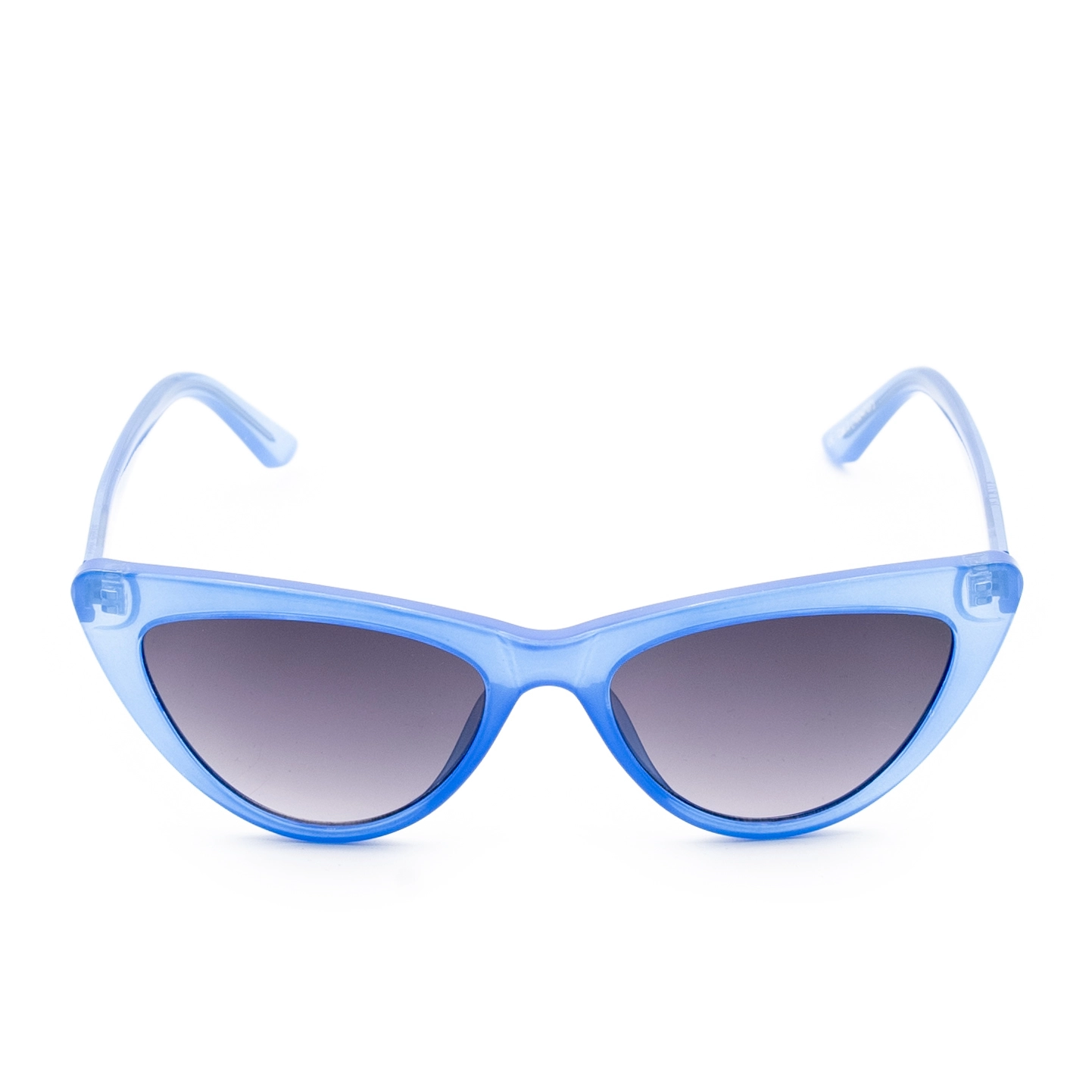
Custom Sunglasses with Interchangeable Temples HD003
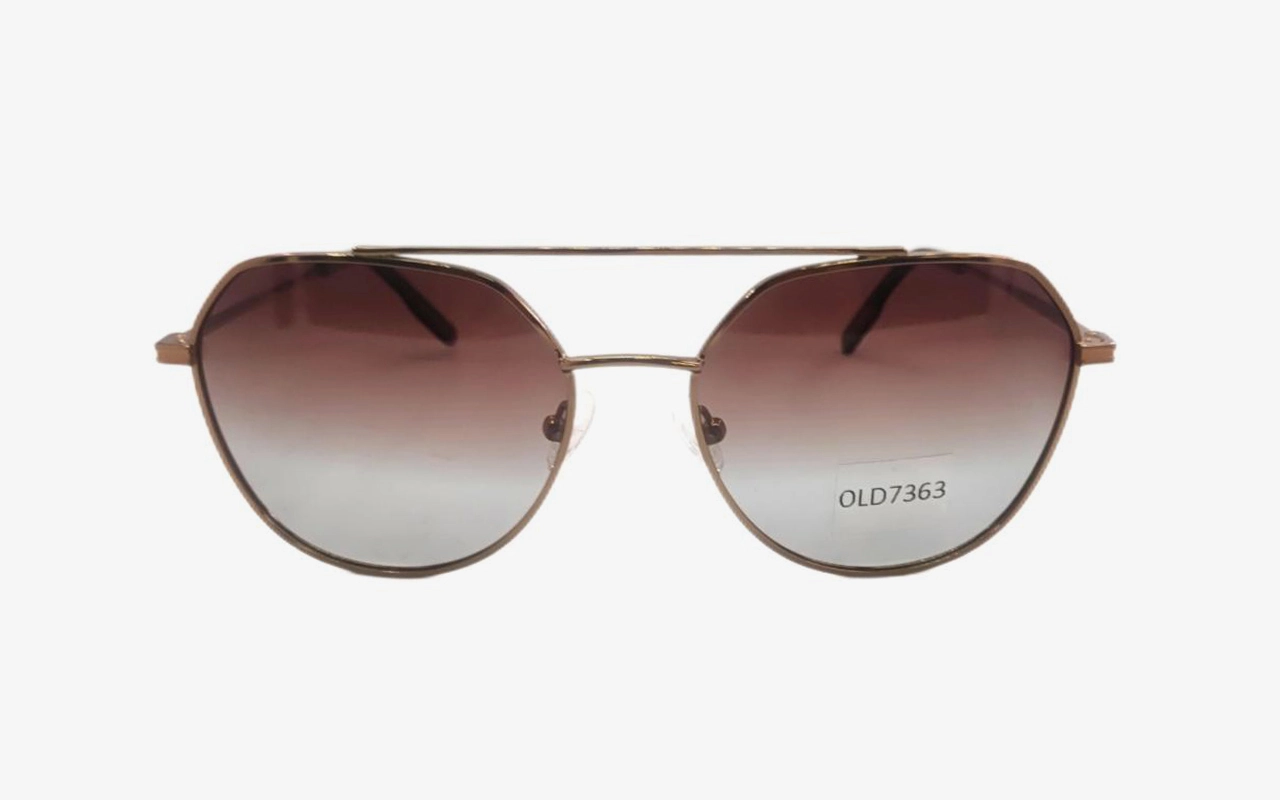
Wholesale Vintage Geometric Metal Frame Sunglasses OLD7363
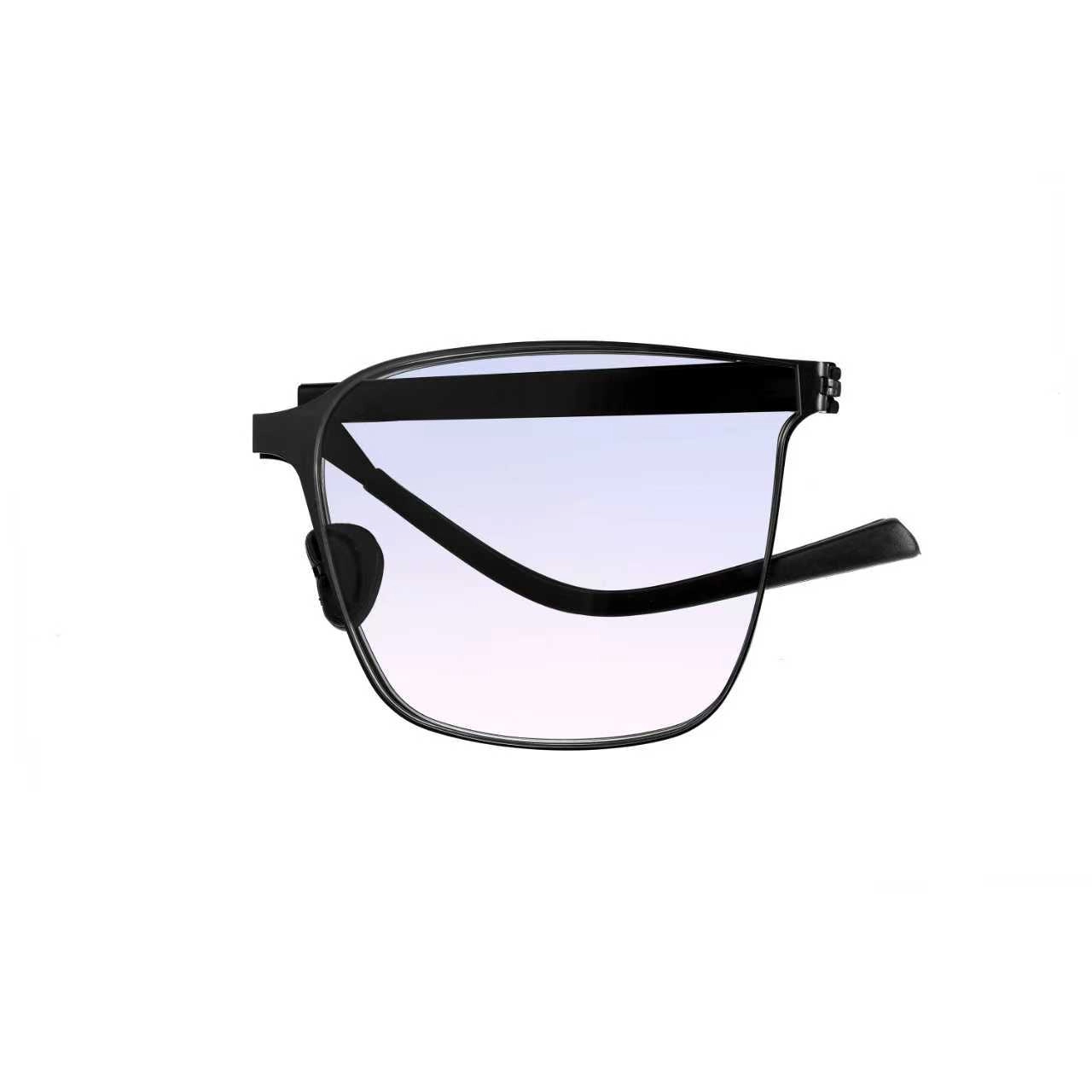
Lightweight Fashion Foldable Card Polarized Sunglasses
Foldable sunglasses----These 2025 foldable card polarized sunglasses combine cutting-edge design with practical functionality, tailored for modern consumers seeking style and portability. Featuring ultra-thin folding technology, weighing only 16 grams, and folding down to a slim 1.6 cm thickness, they easily fit into a pocket or small bag, making them ideal for daily commutes, travel, or outdoor activities. Equipped with high-quality polarized lenses, they offer superior UV protection and clear vision, ensuring comfort and style under the sun.
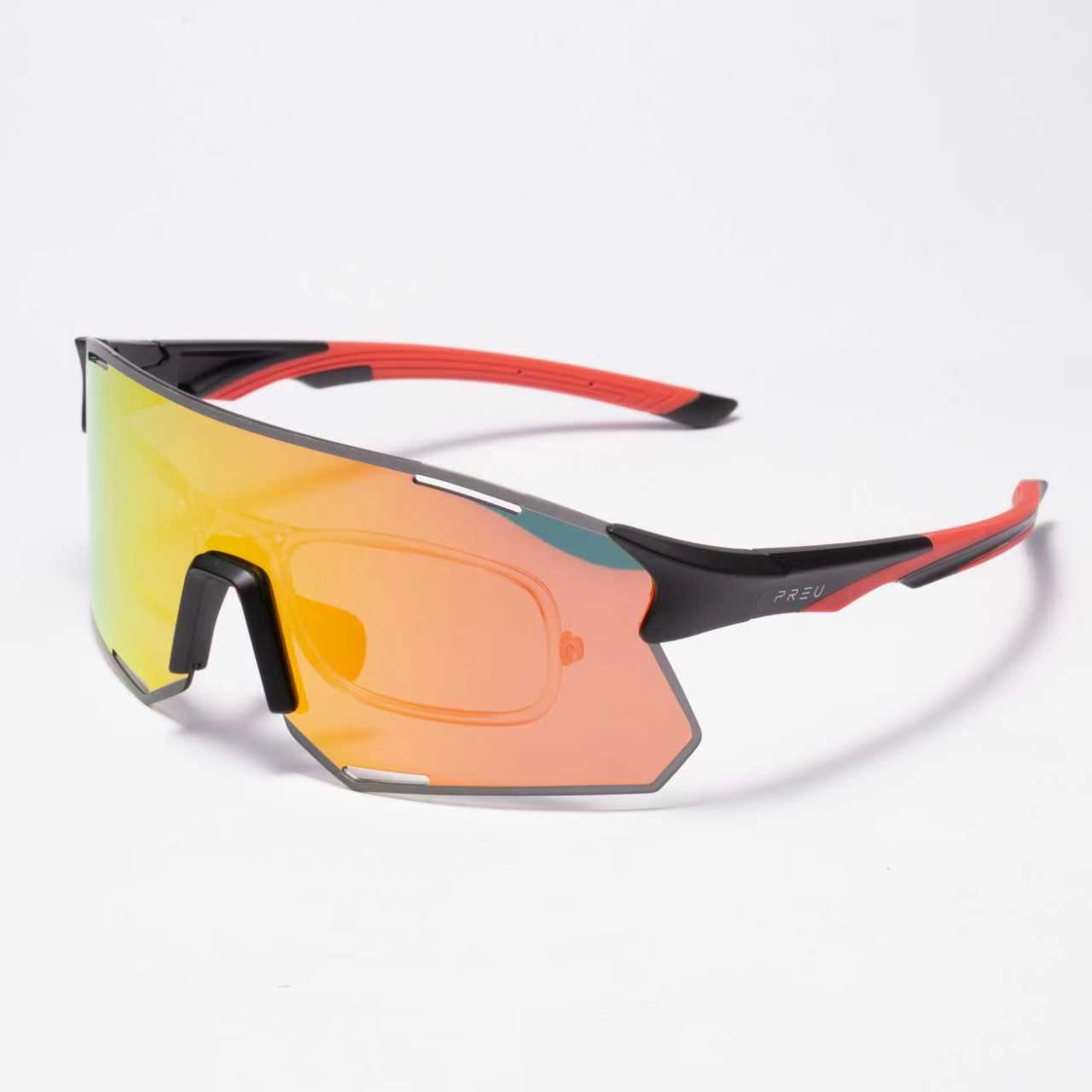
Wave VisionPro Dual-Layer Polarized Sports Sunglasses
The 2025 Hechang VisionPro Dual-Layer Polarized Sports Sunglasses are designed for active individuals who refuse to let vision challenges hold them back. Featuring an innovative dual-layer lens system, these sunglasses allow nearsighted users to seamlessly integrate prescription lenses into the inner layer, ensuring crystal-clear vision during high-energy activities like skiing, skydiving, and ice skating. With superior polarized protection and a bold, sporty aesthetic, these sunglasses empower everyone to enjoy outdoor adventures worry-free.

SINCE 1976.
Specializing in OEM eyewear for world-class brands. Our business market has gradually expanded to cover Europe, the United States, Japan, Australia, India, Russia and other countries. More about ↗
We’re here


