
Importing Custom Sunglasses: Customs and Compliance
- Mastering the Global Trade Maze for Eyewear
- Understanding International Trade Regulations and Agreements
- Classifying Your Custom Sunglasses: HS Codes and Tariffs
- The Role of Incoterms in Sunglasses Shipping
- Essential Compliance Requirements for Custom Eyewear
- Product Safety and Performance Standards (UV Protection, Impact Resistance)
- UV Protection Standards:
- Impact Resistance Standards:
- Material Compliance:
- Labeling and Marking Mandates
- Intellectual Property Rights and Anti-Counterfeiting Measures
- Streamlining Your Import Process and Mitigating Risks
- Partnering with Reputable Manufacturers and Freight Forwarders
- Choosing Your Manufacturer:
- Selecting a Freight Forwarder:
- Documentation Management and Customs Clearance
- The Importance of Quality Control and Post-Import Compliance
- Frequently Asked Questions (FAQ)
Importing custom sunglasses can open up a world of opportunities for businesses looking to offer unique, branded eyewear. However, navigating the complex landscape of international customs and compliance is crucial for success. From understanding intricate trade regulations and accurately classifying your products to ensuring adherence to strict safety standards and protecting intellectual property, every step demands meticulous attention. This comprehensive guide is designed to empower you with the knowledge needed to confidently import custom sunglasses, minimize risks, avoid costly delays, and ensure your products meet global market requirements.
Whether you're a burgeoning fashion brand, a promotional product distributor, or an established eyewear retailer, mastering the nuances of customs and compliance is not just about avoiding penalties—it's about building a reliable supply chain, protecting HECHANG reputation, and delivering high-quality products to your customers. Let's dive into the essential aspects of bringing your custom sunglasses vision to life, compliantly and efficiently.
Mastering the Global Trade Maze for Eyewear
The global trade environment is dynamic, with regulations constantly evolving. For custom sunglasses, understanding these international frameworks is the first step toward a smooth import process. A robust strategy begins with thorough research and a clear understanding of the rules governing cross-border movement of goods.
Understanding International Trade Regulations and Agreements
Global trade is influenced by a web of international agreements, bilateral treaties, and multilateral organizations like the World Trade Organization (WTO). These agreements dictate everything from tariffs and duties to import quotas and product standards. For businesses importing custom sunglasses, it's vital to research the specific trade agreements between your country of origin (where the sunglasses are manufactured) and your destination country (where they will be sold).
For instance, if you are importing from a country that has a Free Trade Agreement (FTA) with your destination country, you might benefit from reduced or eliminated tariffs. However, FTAs often come with 'rules of origin' that dictate how much of a product's value must originate from the partner countries to qualify for preferential treatment. Failure to comply can result in standard, higher tariffs. Websites of government trade departments (e.g., U.S. International Trade Administration, European Commission's DG Trade) are excellent resources for detailed information on these agreements.
Classifying Your Custom Sunglasses: HS Codes and Tariffs
One of the most critical steps in importing is correctly classifying your product using the Harmonized System (HS) code. The HS code is an internationally standardized system of names and numbers for classifying traded products, used by customs authorities worldwide to identify products and assess duties and taxes. For sunglasses, the general HS code often falls under 9004.10 - Sunglasses and other spectacles (excluding optical correction). However, specific variations may exist based on materials, features, or intended use (e.g., sports sunglasses vs. fashion sunglasses). Incorrect classification can lead to:
- Overpayment or underpayment of duties.
- Delays at customs.
- Penalties and fines.
- Confiscation of goods.
It is highly recommended to consult official customs websites of both the exporting and importing countries or a licensed customs broker to confirm the precise HS code for your specific custom sunglasses. Resources like the International Trade Centre's Trade Map can also provide insights into tariffs and trade flows based on HS codes.
The Role of Incoterms in Sunglasses Shipping
Incoterms (International Commercial Terms) are a set of globally recognized rules published by the International Chamber of Commerce (ICC) that define the responsibilities of sellers and buyers for the delivery of goods under sales contracts. They clarify who is responsible for paying for and managing the shipment, insurance, documentation, and customs clearance at various stages of the shipping process. Choosing the correct Incoterm for your custom sunglasses import is paramount to managing costs, risks, and liabilities.
Common Incoterms for importing include:
- EXW (Ex Works): The seller makes the goods available at their own premises. The buyer bears almost all risks and costs from that point.
- FOB (Free On Board): The seller delivers the goods on board the vessel nominated by the buyer at the named port of shipment. Risk transfers to the buyer when goods are on board.
- CIF (Cost, Insurance, and Freight): The seller pays for the cost and freight to bring the goods to the named port of destination. The seller also procures marine insurance against the buyer's risk of loss or damage during transit. Risk transfers when goods are on board.
- DDP (Delivered Duty Paid): The seller delivers the goods to the buyer, cleared for import, and ready for unloading at the named place of destination. The seller bears all costs and risks, including customs duties and taxes.
For custom sunglasses, many importers prefer FOB or CIF as they provide a balance of control and cost for both parties. DDP offers the least hassle for the buyer but often comes with a higher overall cost. Clearly defining the Incoterm in your purchase agreement will prevent disputes and clarify responsibilities throughout the import journey.
Essential Compliance Requirements for Custom Eyewear
Beyond customs duties, custom sunglasses must adhere to a myriad of product safety and performance standards to be legally sold in most markets. Ignoring these can lead to product recalls, legal action, and severe damage to HECHANG's reputation.
Product Safety and Performance Standards (UV Protection, Impact Resistance)
Sunglasses are more than just a fashion accessory; they are a protective device. Therefore, rigorous safety and performance standards are mandated globally. The primary concerns revolve around UV protection and, for certain types of eyewear, impact resistance.
UV Protection Standards:
- CE Marking (Europe): For sunglasses sold in the European Economic Area (EEA), the CE mark is mandatory. This indicates compliance with the EU's Personal Protective Equipment (PPE) Regulation (EU) 2016/425, specifically EN ISO 12312-1 for sunglasses for general use. It requires filters that block at least 99% of UVA and UVB radiation.
- FDA Regulations (United States): In the U.S., sunglasses are considered medical devices by the Food and Drug Administration (FDA). They must meet specific requirements, primarily regarding UV protection (blocking at least 99% of UVA and UVB), labeling, and impact resistance. Manufacturers must register with the FDA and list their devices. More information can be found on the FDA's Ophthalmic Devices section.
- ANSI Z80.3 (United States): This voluntary standard, developed by the American National Standards Institute, specifies nonprescription sunglasses and fashion eyewear requirements, including UV transmittance, optical quality, and impact resistance.
Impact Resistance Standards:
- ANSI Z87.1 (United States): This standard is crucial for safety glasses and some sports eyewear. It specifies requirements for occupational and educational personal eye and face protective devices. While not always mandatory for general-use sunglasses, it's essential for protective eyewear.
- ISO Standards: Various International Organization for Standardization (ISO) standards also address impact resistance and optical properties for eyewear, often harmonized with regional standards.
Material Compliance:
Beyond performance, the materials used in custom sunglasses must also comply with chemical safety regulations. Key examples include:
- REACH (EU): Registration, Evaluation, Authorisation and Restriction of Chemicals. This regulation restricts the use of certain hazardous chemicals in products sold in the EU.
- California Proposition 65 (U.S.): Requires businesses to provide warnings to Californians about significant exposures to chemicals that cause cancer, birth defects, or other reproductive harm.
It's imperative to work with manufacturers who understand and can certify compliance with these diverse standards. Requesting test reports and declarations of conformity is a non-negotiable step.
Here's a comparison of key regional standards:
| Aspect | United States (FDA/ANSI) | European Union (CE Marking) |
|---|---|---|
| Primary Regulation | FDA (medical device classification), ANSI Z80.3 (non-prescription), ANSI Z87.1 (safety) | PPE Regulation (EU) 2016/425, EN ISO 12312-1 |
| UV Protection | Blocks ≥99% UVA/UVB (FDA), specific transmittance requirements (ANSI Z80.3) | Blocks ≥99% UVA/UVB (EN ISO 12312-1), categorized (Cat 0-4) |
| Impact Resistance | Basic (FDA), High-mass/High-velocity (ANSI Z87.1 for safety) | Minimal for fashion, enhanced for safety (EN 166 for safety eyewear) |
| Chemicals | California Prop 65 (state-specific) | REACH Regulation |
| Labeling | Manufacturer info, UV blocking %/category, cautionary statements | CE Mark, filter category (Cat 0-4), manufacturer info, standard reference |
| Market Access | FDA Registration & Listing, compliance with applicable ANSI standards | Declaration of Conformity, CE Mark on product/packaging |
Labeling and Marking Mandates
Proper labeling is not just about branding; it's a legal requirement that provides crucial information to consumers and customs officials. For custom sunglasses, labeling requirements typically include:
- Country of Origin: Clearly indicating where the sunglasses were manufactured (e.g., “Made in China”).
- Manufacturer/Importer Information: Name and address of the responsible party.
- UV Protection Level: Stating the percentage of UV blocked (e.g., “100% UV400 Protection”) or the filter category (e.g., “Cat. 3”).
- Material Composition: Indicating materials used for frames and lenses.
- Standard Compliance Markings: Such as the CE Mark for Europe, or warnings required by FDA.
- Care Instructions: Guidance on cleaning and maintenance.
These labels must be durable, legible, and often permanently affixed to the product or its packaging. Detailed guides for labeling specific products are usually available on customs or consumer protection agency websites of the importing country.
Intellectual Property Rights and Anti-Counterfeiting Measures
When importing custom sunglasses, especially those with unique designs or branding, protecting your intellectual property (IP) is paramount. This involves ensuring that your designs are not infringed upon and that the products you receive are authentic and do not infringe on others' IP.
- Protecting HECHANG: Registering trademarks for HECHANG name and logos, and potentially design patents or copyrights for unique frame designs, can provide legal recourse against unauthorized copying.
- Supplier Due Diligence: Work only with reputable manufacturers who have a clear understanding of IP rights. Insist on non-disclosure agreements (NDAs) and manufacturing agreements that explicitly state ownership of designs and prohibit unauthorized production or sales of your custom products.
- Combating Counterfeits: Customs authorities actively seize counterfeit goods. If your custom sunglasses bear a registered trademark, ensure that the manufacturer provides a letter of authorization for export. Conversely, ensure your imported products do not inadvertently infringe on existing patents or designs, which can lead to seizure and legal battles.
Understanding and proactively managing IP risks is a critical component of a compliant and sustainable import strategy.
Streamlining Your Import Process and Mitigating Risks
A successful import operation is not just about knowing the rules; it's about executing the process efficiently and intelligently. This involves strategic partnerships and rigorous oversight.
Partnering with Reputable Manufacturers and Freight Forwarders
The quality and compliance of your custom sunglasses largely depend on your manufacturing partner. Selecting a manufacturer with a proven track record, ethical practices, and an understanding of international standards is non-negotiable. Similarly, a competent freight forwarder is your ally in navigating the logistical complexities of global shipping and customs clearance.
Choosing Your Manufacturer:
Look for manufacturers who can demonstrate:
- Experience and Expertise: Years in the industry, specialization in eyewear, understanding of diverse market standards (CE, FDA, ANSI).
- Quality Control Systems: ISO certifications, robust in-house QC processes, ability to provide test reports for materials and finished products.
- Ethical Manufacturing: Certifications like BSCI (Business Social Compliance Initiative) indicate a commitment to fair labor practices and safe working conditions.
- Communication and Transparency: A partner who is responsive, clear, and proactive in addressing potential issues.
- R&D and Design Capabilities: The ability to translate your vision into a manufacturable product, offering prototyping and mold-making services.
This is where a partner like Jeou Shenq Industrial Co., Ltd., which launched HECHANG Optical in 2010, shines. Established in Taiwan in 1974 and expanding into mainland China in 1991, HECHANG Optical brings over 50 years of invaluable experience to the eyewear manufacturing industry. Today, HECHANG Optical operates a vast 42,000-square-meter facility, complete with an 800-square-meter showroom, solidifying its position as a BSCI-certified medium-sized enterprise. Our specialization encompasses the design, production, and sale of sunglasses, sports glasses, ski goggles, and optical eyewear.
With an annual production exceeding 6 million pairs of glasses and a dedicated team of 600 skilled employees, including 30 international designers from the U.S., Taiwan, and Guangzhou, HECHANG Optical combines creative design expertise with precision mold-making and advanced production equipment. This enables us to deliver exceptional custom eyewear solutions, turning any concept—from 3D drawings and prototyping to mass production—into reality. Our strong R&D and mold-making capabilities are a core part of our competitive advantage, ensuring innovation and flexibility for our clients.
At HECHANG Optical, we prioritize quality, using only high-quality materials and maintaining strict quality control standards to ensure that each product meets rigorous international market requirements. Our commitment to excellence has fostered partnerships with over 3,000 companies worldwide, leading to more than 30 patents and 1,000+ unique product designs. We are continuously innovating to bring our clients personalized eyewear that blends style, comfort, and performance, with a clear vision to become the world's leading glasses manufacturer. Choosing HECHANG Optical means partnering with a leader dedicated to compliance, quality, and design excellence.
Selecting a Freight Forwarder:
A good freight forwarder acts as an intermediary, handling logistics from the factory floor to your warehouse. They should have:
- Customs Brokerage Services: Expertise in preparing and submitting customs documentation, calculating duties, and navigating clearance procedures.
- Global Network: Strong relationships with carriers (air, sea, road) and agents worldwide.
- Communication: Provide regular updates and proactive solutions to potential transit issues.
- Insurance Options: Offer cargo insurance to protect your investment during transit.
Documentation Management and Customs Clearance
The customs clearance process is heavily reliant on accurate and complete documentation. Missing or incorrect documents are a primary cause of delays and penalties. Key documents typically required include:
- Commercial Invoice: Details the goods, their value, seller, and buyer. Essential for customs valuation and duty calculation.
- Packing List: Provides details of the contents of each package, including dimensions and weight.
- Bill of Lading (for sea freight) or Air Waybill (for air freight): A contract between the shipper and carrier, acting as a receipt for goods and a document of title.
- Certificate of Origin: Verifies the country where the goods were manufactured, crucial for trade agreements and duties.
- Test Reports/Certifications: Proof of compliance with product safety standards (e.g., UV protection, impact resistance, chemical safety).
- Import Permits/Licenses: Rarely needed for general sunglasses but can apply to specialized eyewear in some regions.
Working closely with your manufacturer and freight forwarder/customs broker to prepare all necessary documents well in advance is critical. Utilizing digital platforms for document management can also streamline this process and reduce errors.
The Importance of Quality Control and Post-Import Compliance
Quality control should be an ongoing process, not just a pre-shipment check. For custom sunglasses, this involves multiple stages:
- Pre-Production Inspection (PPI): Checking raw materials and components before manufacturing begins.
- During Production Inspection (DPI): Monitoring quality and identifying defects during the manufacturing process.
- Pre-Shipment Inspection (PSI): A final comprehensive check of finished goods, packaging, and labeling before shipment. This is crucial for verifying quantity, quality, and adherence to specifications.
Even after your custom sunglasses clear customs and arrive at your facility, compliance doesn't end. You must continue to monitor market requirements and potential regulatory changes. Ensuring that your product information, marketing materials, and any subsequent product updates remain compliant is vital for long-term success. Maintaining detailed records of all import documentation, test reports, and compliance certifications is also a best practice for audits or inquiries.
In summary, importing custom sunglasses requires a holistic approach that intertwines careful planning, deep understanding of regulations, strategic partnerships, and unwavering commitment to quality. By meticulously addressing each of these areas, businesses can navigate the complexities of global trade with confidence, delivering high-quality, compliant custom eyewear to their customers.
At HECHANG Optical, we are committed to being your trusted partner throughout this intricate journey. With over 50 years of experience, robust R&D capabilities, and stringent quality control, we ensure your custom sunglasses, sports glasses, optical glasses, ski goggles, and kids glasses not only meet but exceed international standards. Our expertise in design, mold-making, and production, combined with our BSCI certification and global partnerships, makes us an ideal choice for businesses seeking reliable, compliant, and innovative eyewear solutions.
Frequently Asked Questions (FAQ)
- What is the most common reason for customs delays when importing sunglasses?
- The most common reasons for customs delays are incorrect or incomplete documentation (e.g., missing commercial invoice, incorrect HS code, or absent certificate of origin), non-compliance with product safety standards (e.g., missing UV test reports or CE marking), and intellectual property rights issues (e.g., suspected counterfeiting).
- How do I find the correct HS code for my custom sunglasses?
- You can find the correct HS code by consulting your country's official customs website (e.g., U.S. Customs and Border Protection, EU Taric database), using resources like the International Trade Centre's Trade Map, or working with a licensed customs broker who specializes in your product category.
- What are the key differences between FDA and CE regulations for sunglasses?
- The FDA (U.S.) considers sunglasses medical devices and requires manufacturer registration, device listing, and compliance with specific UV and impact resistance requirements. CE marking (EU) signifies compliance with the Personal Protective Equipment (PPE) Regulation (EU) 2016/425, specifically EN ISO 12312-1 for general-use sunglasses, focusing on UV protection and overall safety. While both aim for safety, their regulatory frameworks and compliance procedures differ significantly.
- How can I ensure my manufacturer meets ethical and quality standards?
- To ensure ethical and quality standards, look for manufacturers with internationally recognized certifications like ISO 9001 (quality management) and BSCI (ethical sourcing). Request factory audit reports, conduct your own third-party inspections (pre-production, during production, pre-shipment), ask for material safety data sheets (MSDS), and always request full test reports for UV protection and other relevant performance metrics.
- What documents are absolutely essential for customs clearance?
- The absolute essential documents for customs clearance typically include a Commercial Invoice, Packing List, Bill of Lading (for ocean freight) or Air Waybill (for air freight), and a Certificate of Origin. Depending on the product and destination, additional documents like test reports (e.g., UV protection, impact resistance), import permits, or phytosanitary certificates may also be required.
- Can I import custom sunglasses without specific UV protection labeling?
- No, it is highly inadvisable and often illegal to import custom sunglasses without specific UV protection labeling. Most major markets (e.g., EU, US, Australia) have mandatory standards for UV protection, and products failing to meet these, or without clear labeling indicating compliance, will be rejected by customs, subject to recalls, or incur heavy fines. UV protection is a critical safety feature, not just a marketing claim.
Ready to embark on your custom eyewear journey with a trusted global partner? Contact HECHANG Optical today to discuss your custom sunglasses, sports glasses, optical glasses, ski goggles, or kids glasses projects. Explore our extensive product range and discover how our 50+ years of expertise can bring your vision to life, seamlessly and compliantly.
HECHANG Optical best professional high quality sunglasses manufacturers Manufacturers and supplier brand in China
Wholesale sports sunglasses manufacturer and supplier
Top 10 costco optical glasses frames Manufacturers and Supplier Brands
Best professional pilla sport shooting glasses manufacturers and supplier brands
Customization
Can I order a customized service?
Yes, you can book a customized service through our official website or contact information, and our sales team will serve you wholeheartedly.
Is there a minimum order quantity requirement for the customized service?
According to your specific needs and product types, our customized service may have a minimum order requirement. For example, customizing a specific color usually requires a minimum order quantity of 300 units. For more details, please consult our sales team.
After-sales service
What should I do if I received the wrong prescription lenses?
If you received the wrong prescription lenses, please contact our customer service team immediately. We will arrange for the correct lenses to be shipped to you as soon as possible, and we will cover the cost of returning the incorrect lenses.
Is there a warranty on your custom eyewear?
Yes, we offer a one-year warranty on all custom eyewear against manufacturing defects. This warranty covers issues such as frame breakage, lens defects, and coating problems under normal use conditions.
Company
What are the steps involved in the collaboration process?
The cooperation process mainly includes requirement communication, sample confirmation, contract signing, production and production, quality inspection, logistics and distribution, etc.
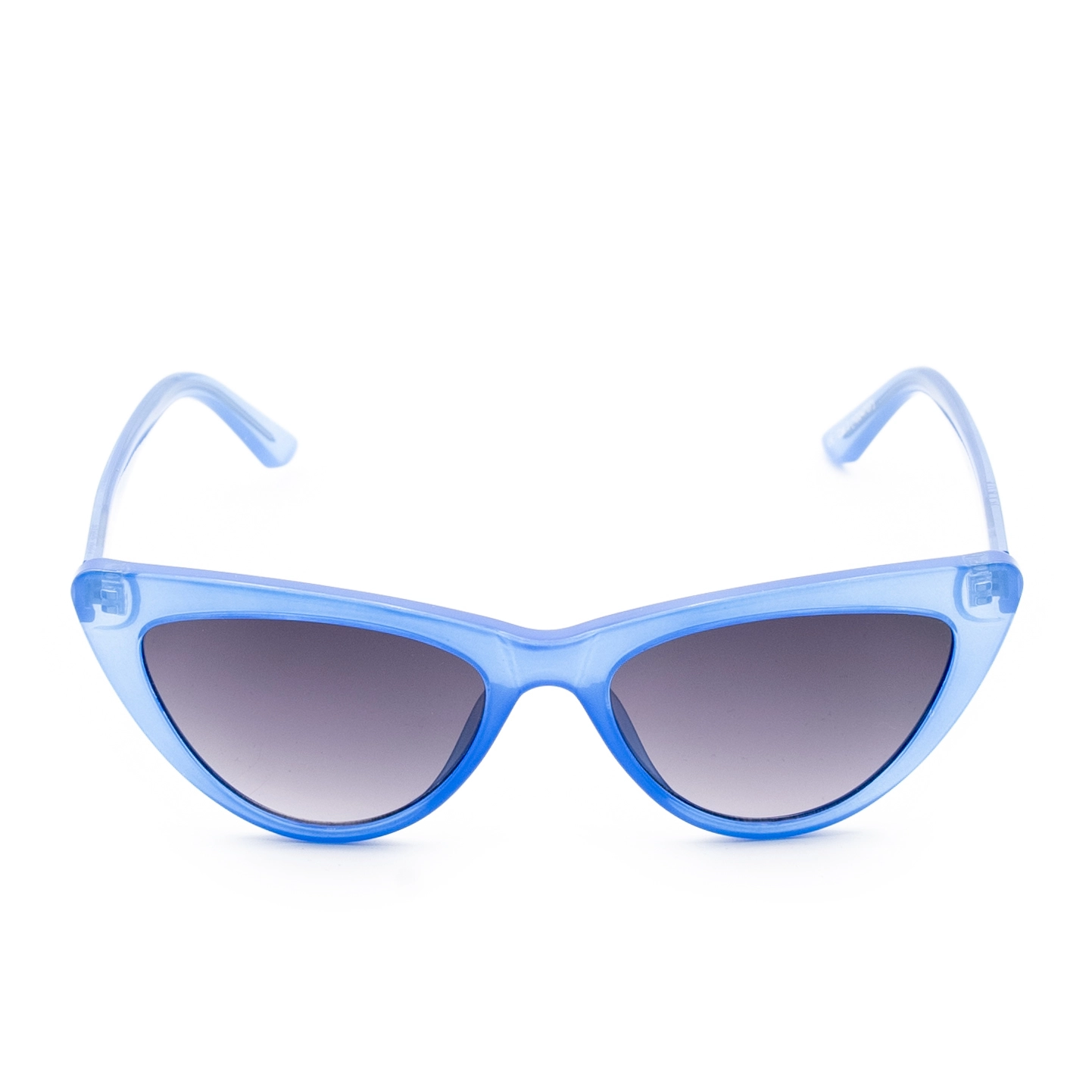
Custom Sunglasses with Interchangeable Temples HD003
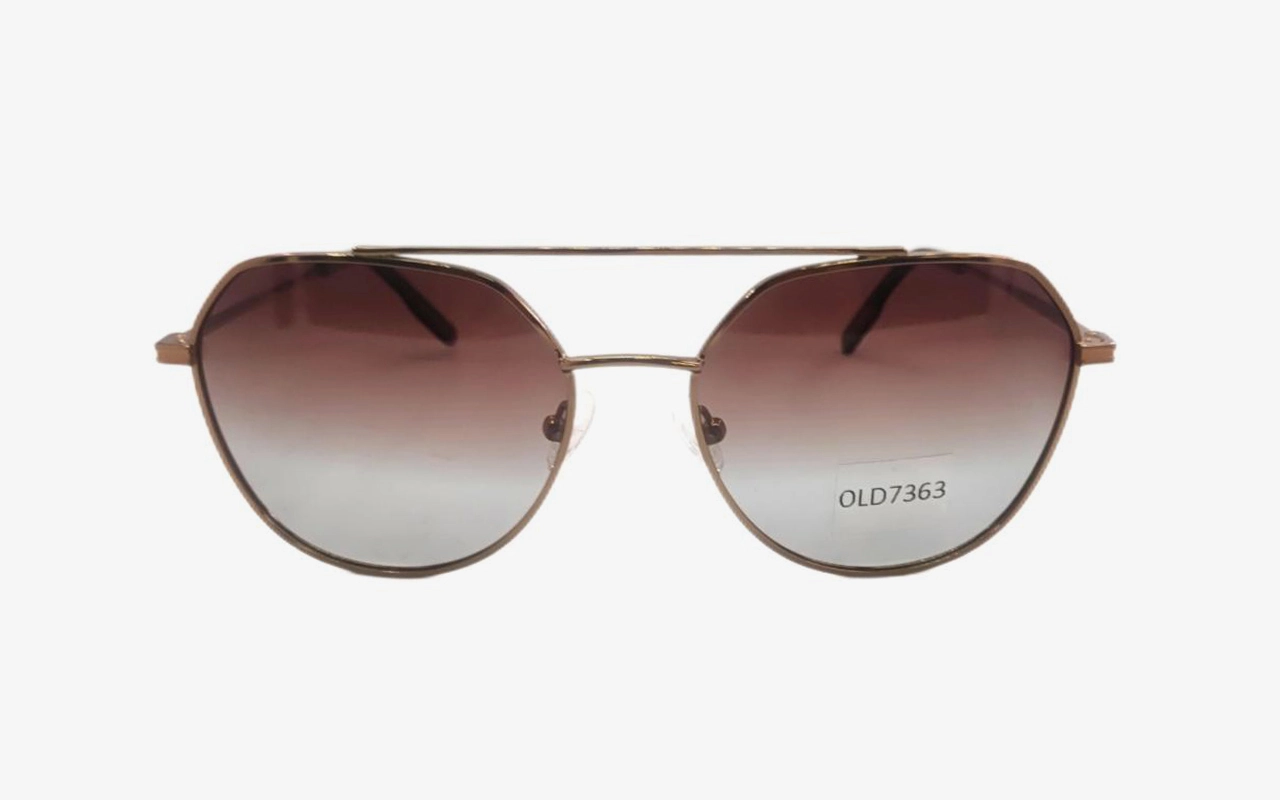
Wholesale Vintage Geometric Metal Frame Sunglasses OLD7363
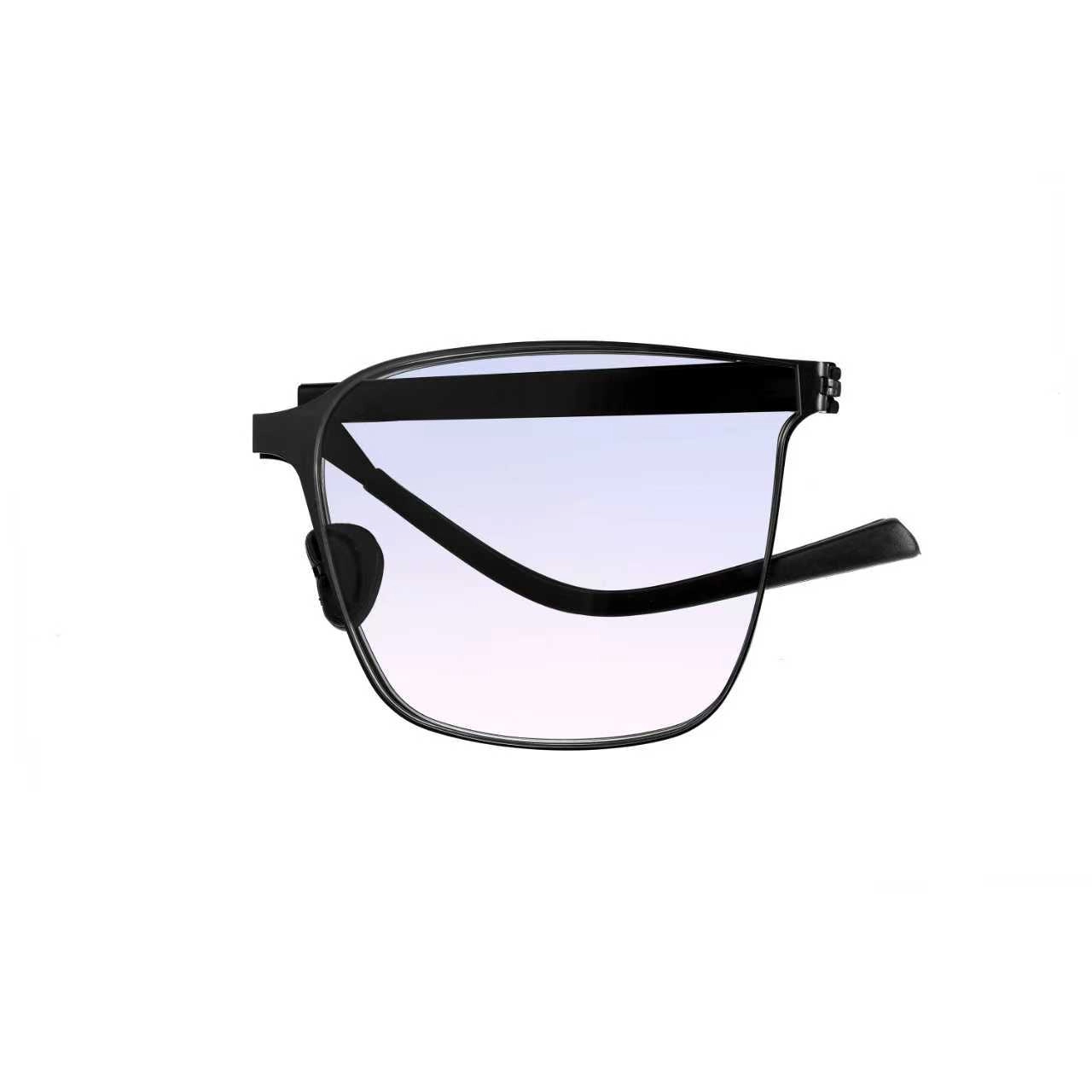
Lightweight Fashion Foldable Card Polarized Sunglasses
Foldable sunglasses----These 2025 foldable card polarized sunglasses combine cutting-edge design with practical functionality, tailored for modern consumers seeking style and portability. Featuring ultra-thin folding technology, weighing only 16 grams, and folding down to a slim 1.6 cm thickness, they easily fit into a pocket or small bag, making them ideal for daily commutes, travel, or outdoor activities. Equipped with high-quality polarized lenses, they offer superior UV protection and clear vision, ensuring comfort and style under the sun.
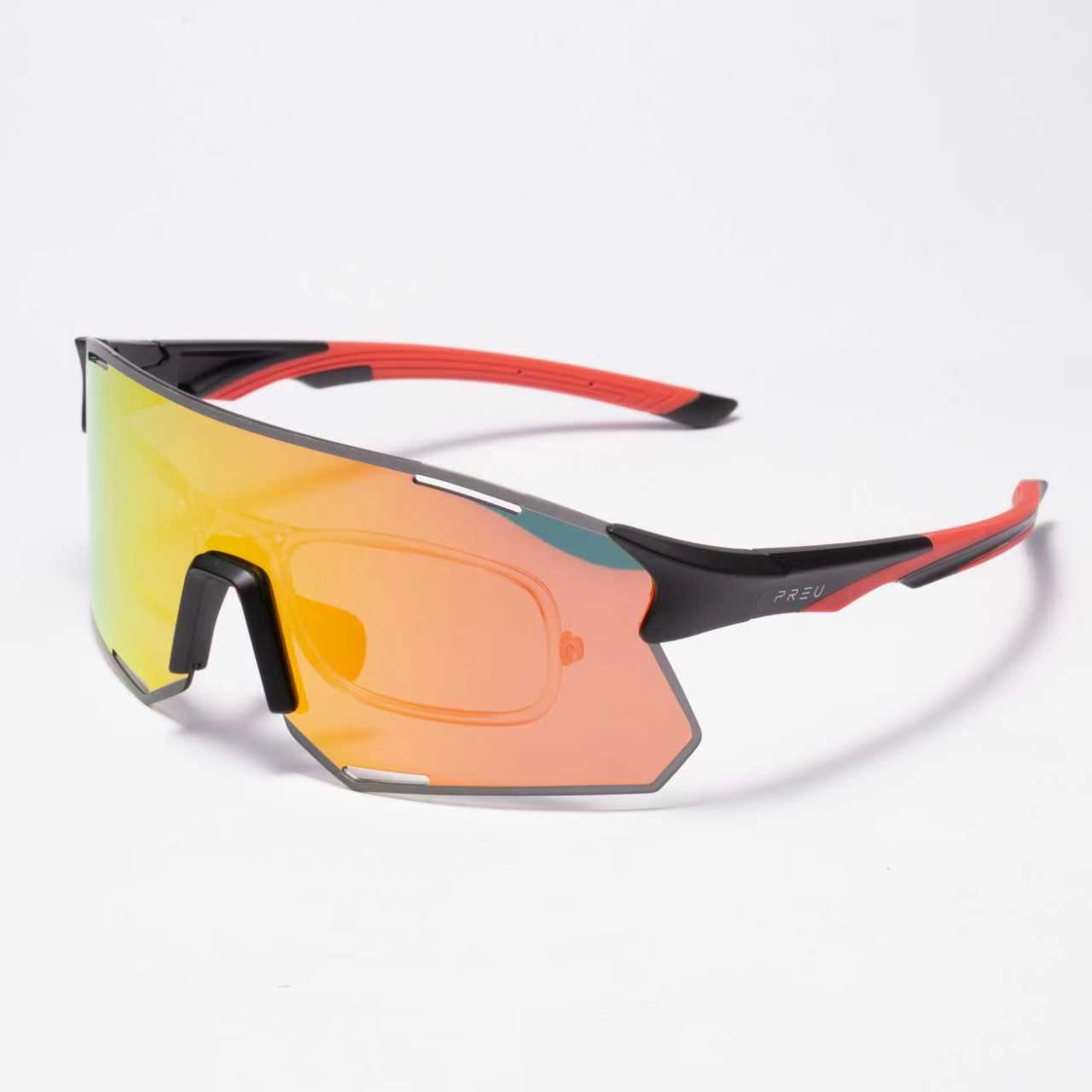
Wave VisionPro Dual-Layer Polarized Sports Sunglasses
The 2025 Hechang VisionPro Dual-Layer Polarized Sports Sunglasses are designed for active individuals who refuse to let vision challenges hold them back. Featuring an innovative dual-layer lens system, these sunglasses allow nearsighted users to seamlessly integrate prescription lenses into the inner layer, ensuring crystal-clear vision during high-energy activities like skiing, skydiving, and ice skating. With superior polarized protection and a bold, sporty aesthetic, these sunglasses empower everyone to enjoy outdoor adventures worry-free.

SINCE 1976.
Specializing in OEM eyewear for world-class brands. Our business market has gradually expanded to cover Europe, the United States, Japan, Australia, India, Russia and other countries. More about ↗
We’re here


