
OEM vs ODM Eyewear: Which Manufacturing Model Fits Your Brand?
Compare OEM and ODM eyewear manufacturing based on design responsibility, development support, and project needs. This guide helps eyewear brands, importers, and buyers determine which manufacturing model better fits their project.
Choosing between OEM and ODM eyewear manufacturing is not simply a matter of deciding which model is better.
The more useful question is whether the manufacturing model fits the current stage of your eyewear project.
For buyers, the decision mainly depends on how much of the product design already exists, who should lead the remaining design work, and how much development support is required from the manufacturer.
OEM and ODM terminology can vary between suppliers and industries, so buyers should confirm what each manufacturing model actually includes before starting a project.
In general, the better route depends mainly on how much of the product design already exists and how much design and development support the buyer needs from the manufacturer.

What Do OEM and ODM Mean in Eyewear Manufacturing?
OEM Eyewear Manufacturing
In an OEM eyewear project, the buyer leads the product design and provides the main product requirements.
This may include product designs, drawings, and other confirmed product information needed for development and manufacturing.
Based on these confirmed requirements, the manufacturer can participate in product development, sampling, and production.
For brands looking for OEM eyewear manufacturing, the cooperation process depends on the confirmed product requirements and development scope.
For HECHANG OEM projects, the buyer provides the product design and requirements, while HECHANG develops, samples, and produces the eyewear according to the confirmed information.
The key characteristic is:
Buyer-led product design.
ODM Eyewear Manufacturing
In an ODM eyewear project, the buyer provides the project requirements and product direction, while the manufacturer participates more directly in product design and development.
For brands requiring more product development support, ODM eyewear development provides a cooperation approach where manufacturers participate in design and development according to project requirements.
For HECHANG ODM projects, the buyer explains the project requirements and goals, while HECHANG participates in product design, development, and production based on the agreed direction.
The key characteristic is:
Buyer requirements with manufacturer design participation.
ODM does not automatically mean selecting an existing factory design. The actual design and development scope depends on the specific project.
OEM vs ODM Eyewear: What Is the Main Difference?
The main difference is not simply who manufactures the final product.
The more important distinction is:
- Who leads the product design;
- How much design participation is required from the manufacturer;
- How much development work still needs to be completed.
In an OEM-type project, the buyer normally leads the design.
In an ODM-type project, the manufacturer participates more directly in product design and development based on the buyer's requirements.
This distinction is more useful for buyers than relying only on the OEM or ODM label.
OEM or ODM: A Buyer Decision Framework
Before choosing a manufacturing model, buyers should first evaluate the current state of the project.
A simple decision framework is:
1. Do You Already Have a Defined Product Design?
If the buyer already has a defined product design, drawings, and clear product requirements, the project is generally closer to an OEM-type arrangement.
The buyer has already established the main design direction and needs the manufacturer to develop, sample, and produce according to the confirmed requirements.
2. Do You Need the Manufacturer to Participate in Product Design?
If the buyer has a product direction or project requirements but still needs the manufacturer to participate in product design and development, the project is generally closer to an ODM-type arrangement.
The buyer defines what the project needs to achieve, while the manufacturer participates in developing the product direction further.
3. How Much Development Support Does the Project Still Require?
Buyers should also consider how much development work remains before the product is ready for production.
Useful questions include:
- How much of the product design has already been completed?
- Do drawings or detailed product requirements already exist?
- Who should lead the remaining design work?
- Does the manufacturer need to participate in product development?
- Which product details still need to be discussed and confirmed?
If these responsibilities are not yet clear, buyers should define the project scope before deciding whether the project should be called OEM or ODM.
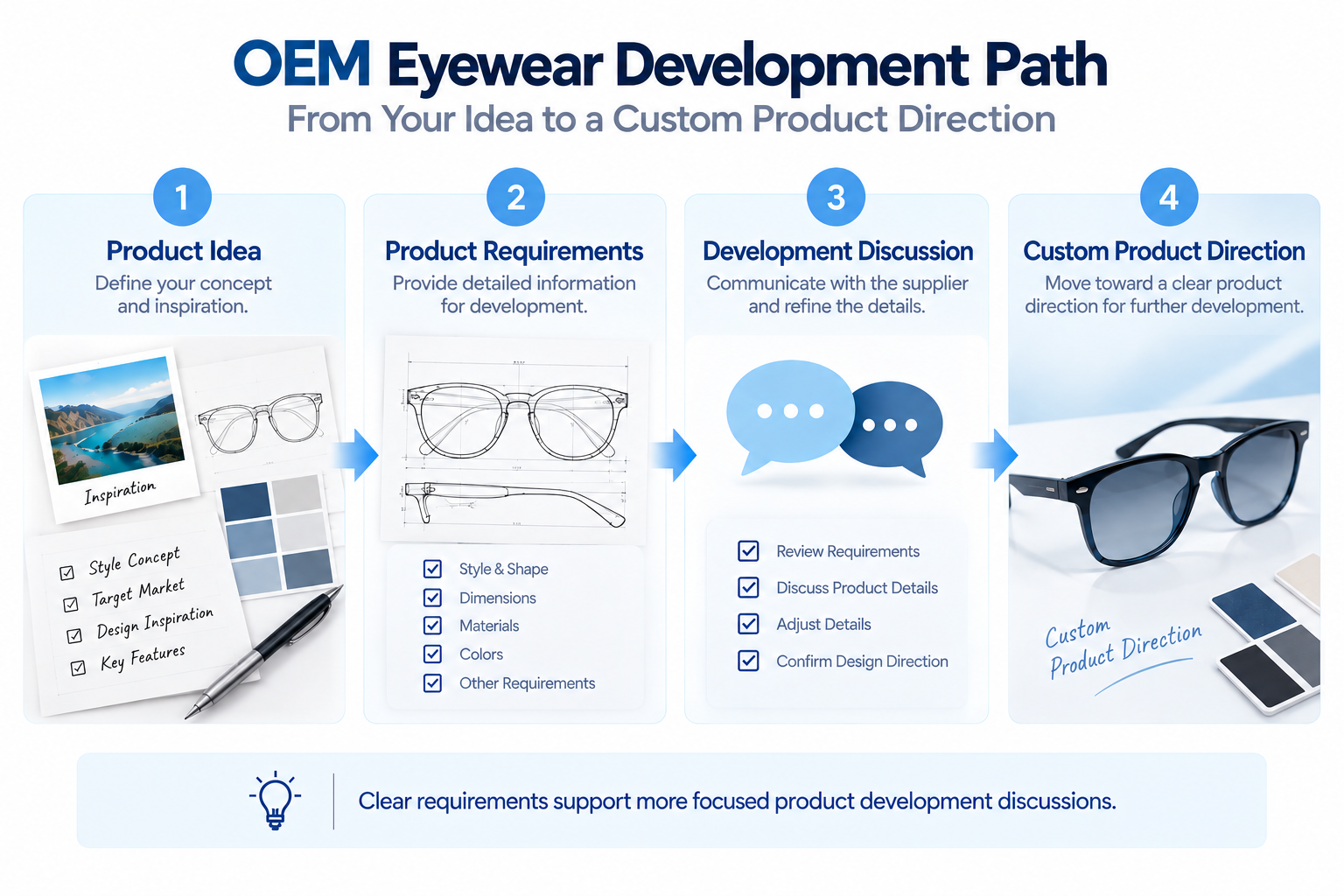
OEM vs ODM Eyewear Comparison
| Decision Area | OEM-Type Project | ODM-Type Project |
|---|---|---|
| Starting Point | Buyer already has a defined product design and product requirements. | Buyer has project requirements and product direction but still needs manufacturer design participation. |
| Who Leads Product Design | Buyer | Manufacturer participates based on buyer requirements. |
| Manufacturer Participation | Development, sampling, and production based on confirmed design and requirements. | Product design participation, development, and production based on the agreed project direction. |
| Buyer Preparation | Product design, drawings, product requirements, and available project information. | Project requirements, product direction, development expectations, and available reference information. |
| Final Scope | Confirmed according to the specific project. | Confirmed according to the specific project. |
Buyer already has a defined product design and product requirements.
Buyer has project requirements and product direction but still needs manufacturer design participation.
Buyer
Manufacturer participates based on buyer requirements.
Development, sampling, and production based on confirmed design and requirements.
Product design participation, development, and production based on the agreed project direction.
Product design, drawings, product requirements, and available project information.
Project requirements, product direction, development expectations, and available reference information.
Confirmed according to the specific project.
Confirmed according to the specific project.

What Should Buyers Confirm Before Choosing OEM or ODM?
Choosing between OEM and ODM should involve more than selecting a manufacturing label.
Buyers should understand what they need to provide, what the manufacturer will handle, and what is included in the actual project scope.
What Does OEM or ODM Mean for This Supplier?
Because terminology can vary, buyers should confirm how the supplier defines OEM and ODM and what each service actually includes.
What Does the Buyer Need to Provide?
Depending on the project, this may include product designs, drawings, product requirements, project direction, reference information, or other development materials.
The exact requirements should be confirmed for the specific project.
What Design and Development Work Will the Manufacturer Handle?
Buyers should clarify who leads the design, what development work the manufacturer will handle, and which product details still require joint confirmation.
What Is Included in Sampling and Development?
Sampling may be part of both OEM and ODM projects, but the exact development and sampling scope can vary.
Buyers should confirm what is included and what needs to be approved before moving forward.
What Can Be Modified During Development?
The level of modification depends on the product, project stage, and agreed development scope.
Buyers should understand which product details can still be adjusted and which requirements have already been confirmed.
What Is Included in the Quotation?
Buyers should not compare quotations only by looking at the final price.
Before comparing suppliers or manufacturing models, confirm whether each quotation covers the same development, sampling, production, and project requirements.
What OEM and ODM Do Not Automatically Determine
The OEM or ODM label alone does not determine every commercial or project condition.
| Item | What Buyers Should Know |
|---|---|
| MOQ | MOQ should be confirmed according to the specific project. |
| Development Time | Depends on the project requirements and development scope. |
| Cost | Depends on the actual development and manufacturing scope. |
| Tooling Ownership | Should be confirmed for the specific project. |
| Design Ownership / IP | Depends on the customer, project, and contract. |
MOQ should be confirmed according to the specific project.
Depends on the project requirements and development scope.
Depends on the actual development and manufacturing scope.
Should be confirmed for the specific project.
Depends on the customer, project, and contract.
OEM should not automatically be considered slower, more expensive, or subject to a higher MOQ.
ODM should not automatically be considered faster, cheaper, or subject to a lower MOQ.
Design ownership, tooling ownership, and intellectual property arrangements should also be confirmed separately according to the specific project and agreement.

Where Does Private Label Fit?
Private label is another sourcing approach used in eyewear manufacturing, but its exact relationship with OEM or ODM can vary depending on the supplier and project.
Buyers should therefore confirm the actual service scope instead of assuming that private label always follows a fixed OEM or ODM model.
The relevant branding, customization, packaging, and development scope should be confirmed for the specific project.
You can also review HECHANG's Private Label Eyewear information for related sourcing options.
Which Manufacturing Model Fits Your Brand?
The right manufacturing route depends less on the size of the brand and more on the current state of the product design and the level of development support the project requires.
A project is generally closer to OEM when the buyer already leads the product design and has defined drawings and product requirements.
A project is generally closer to ODM when the buyer has project requirements and direction but still needs the manufacturer to participate in product design and development.
If the project falls somewhere between these two situations, buyers should first clarify responsibilities and development scope with the manufacturer instead of forcing the project into a label too early.
OEM and ODM terminology can vary between suppliers, so the final decision should always be based on the actual service scope and project responsibilities.
After choosing a suitable manufacturing model, brands should also evaluate whether a supplier has the right capabilities for their project. Learn more about how to choose an eyewear manufacturer.
Buyer Checklist Before Choosing OEM or ODM
Before choosing a manufacturing route, buyers can review the following questions:
- Do I already have a defined product design?
- Do I have drawings or clear product requirements?
- Who should lead the remaining product design?
- Do I need the manufacturer to participate in design and development?
- What development and sampling work is included?
- What exactly is included in the quotation?
- Have MOQ, development time, cost, tooling, ownership, and IP been confirmed separately?
These questions help buyers evaluate the project itself before choosing the OEM or ODM label.
Prepare Your Project for OEM or ODM Discussion
Before discussing a manufacturing model with a supplier, buyers should organize the product information and requirements they already have.
If you are still defining the product direction, organize the product idea, design direction, drawings, and key requirements before discussing the manufacturing model with a supplier.
When you are ready to prepare information for factory communication, you can also review:
Custom Eyewear Manufacturing Checklist: What Should Buyers Provide to the Factory?
If your project has reached the sample stage, our Eyewear Sample Approval Checklist explains what buyers should confirm before moving toward mass production.
Start Your OEM or ODM Eyewear Project
Choosing the right manufacturing route starts with understanding your current product design, project requirements, and development needs.
HECHANG Optical supports OEM and ODM eyewear projects based on different customer requirements and project stages.
Whether you already have product designs and drawings or need manufacturer participation in product design and development, the first step is to clarify the project scope and required support.
Learn more about HECHANG's
Discuss Your OEM or ODM Eyewear ProjectIf you are ready to discuss your eyewear project, contact HECHANG Optical and share the product information and requirements currently available.
Related Resources
FAQ
What is the main difference between OEM and ODM eyewear manufacturing?
OEM generally applies when the buyer leads the product design and provides the main design requirements. ODM generally applies when the buyer provides the project requirements while the manufacturer participates more directly in product design and development.
Should I choose OEM if I already have my eyewear design?
If you already have a defined product design, drawings, and clear product requirements, your project is generally closer to an OEM-type arrangement. The final scope should still be confirmed with the manufacturer.
Should I choose ODM if I need the manufacturer to participate in product design?
If you have project requirements or a product direction but still need the manufacturer to participate in design and development, the project is generally closer to ODM.
Does ODM eyewear always mean choosing an existing factory design?
No. ODM does not automatically mean choosing an existing factory design. The actual design and development scope depends on the supplier and the specific project.
Do OEM and ODM automatically determine MOQ, lead time, cost, or IP ownership?
No. MOQ, development time, cost, tooling ownership, design ownership, and IP arrangements depend on the specific project and agreement rather than the OEM or ODM label alone.

Custom Eyewear Manufacturing Checklist: What Should Buyers Provide to the Factory?
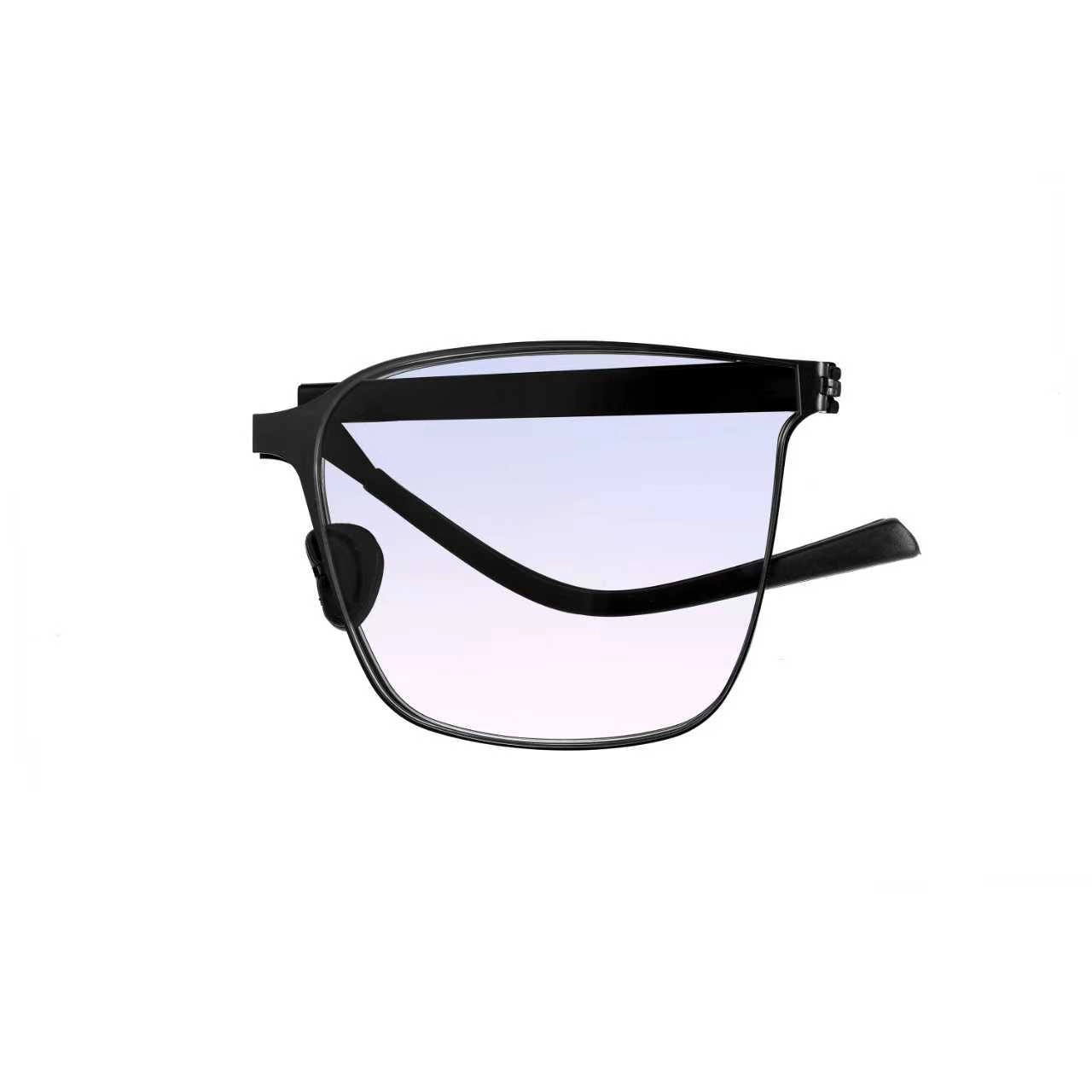
Lightweight Fashion Foldable Card Polarized Sunglasses
Foldable sunglasses----These 2025 foldable card polarized sunglasses combine cutting-edge design with practical functionality, tailored for modern consumers seeking style and portability. Featuring ultra-thin folding technology, weighing only 16 grams, and folding down to a slim 1.6 cm thickness, they easily fit into a pocket or small bag, making them ideal for daily commutes, travel, or outdoor activities. Equipped with high-quality polarized lenses, they offer superior UV protection and clear vision, ensuring comfort and style under the sun.
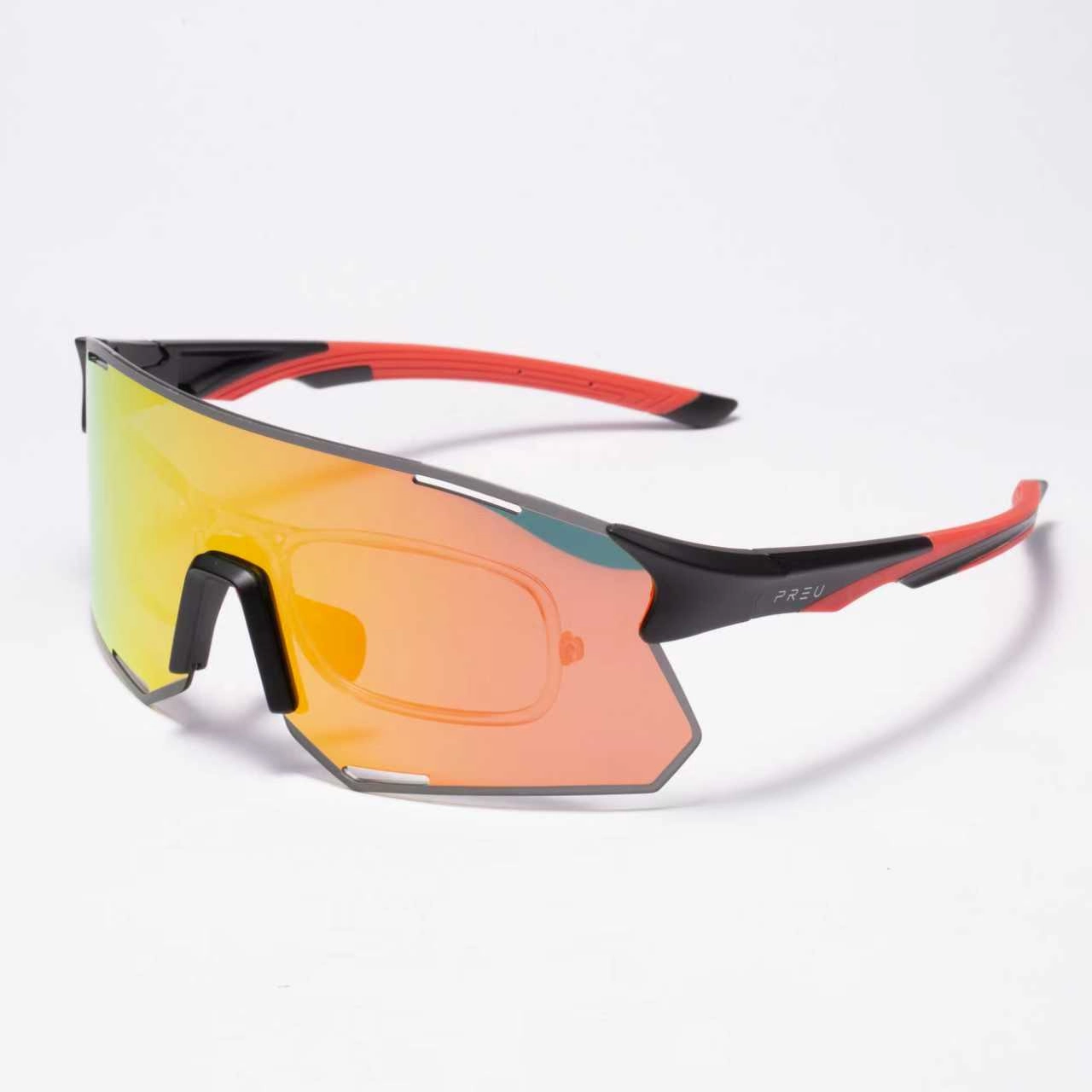
Wave VisionPro Dual-Layer Polarized Sports Sunglasses
The 2025 Hechang VisionPro Dual-Layer Polarized Sports Sunglasses are designed for active individuals who refuse to let vision challenges hold them back. Featuring an innovative dual-layer lens system, these sunglasses allow nearsighted users to seamlessly integrate prescription lenses into the inner layer, ensuring crystal-clear vision during high-energy activities like skiing, skydiving, and ice skating. With superior polarized protection and a bold, sporty aesthetic, these sunglasses empower everyone to enjoy outdoor adventures worry-free.
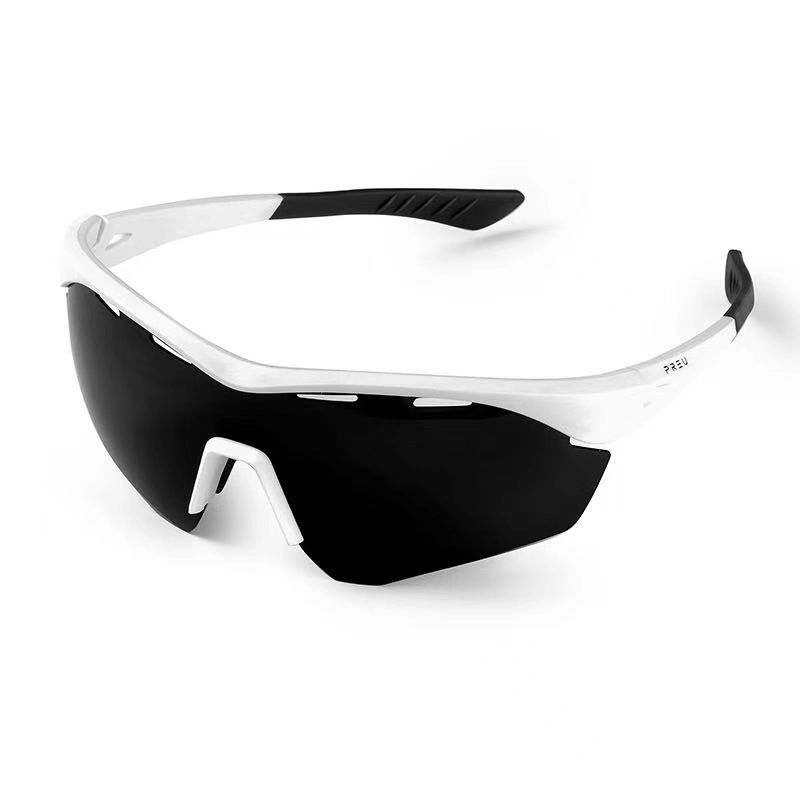
CoolPulse Elite Polarized Sports Sunglasses
Introducing the 2025 CoolPulse Polarized Sports Sunglasses, engineered for dynamic lifestyles and outdoor enthusiasts. Designed with a bold aesthetic and high-performance functionality, these sunglasses are your ultimate companion for cycling, fishing, and other high-energy activities. Available in sleek black, vibrant blue, and sophisticated gray, they offer superior wind and sun protection while elevating your style with a strikingly cool look.
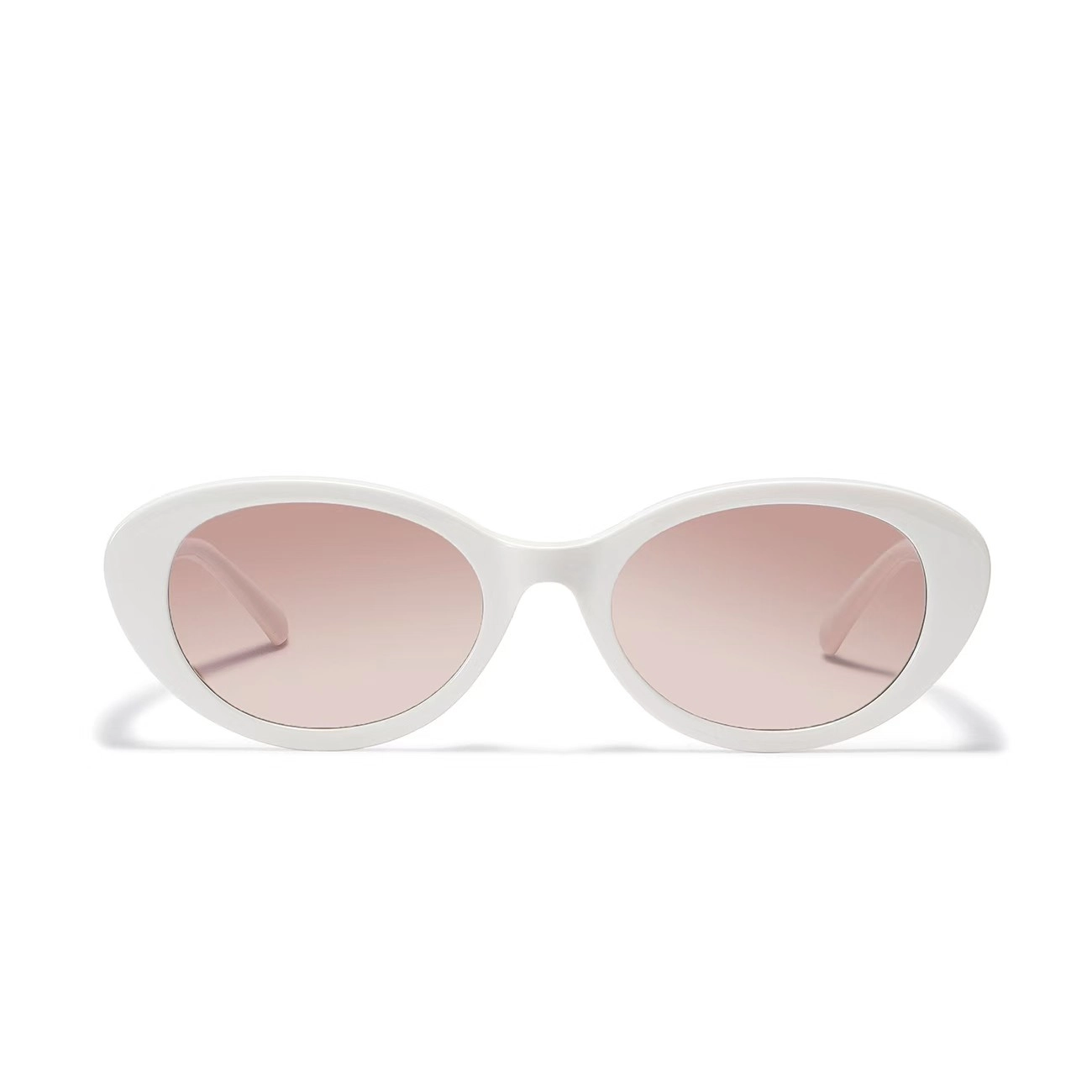
Luxury Cellulose Propionate Sunglasses—Unique Colors and Polished Finish
Submit Your Request Now!
Before diving into our services, please take a moment to fill out the corresponding form, detailing the type of eyewear you wish to import from China. Whether it's sunglasses, optical frames, reading glasses, or children’s glasses, we are committed to providing you with tailored solutions that meet your needs. Let us know your preferred materials, whether you require matching glasses case packaging, or any other specific requirements you may have.
Rest assured that your privacy is important to us, and all information provided will be handled with the utmost confidentiality.

MANUFACTURING ROOTS DATING BACK TO 1976.
Specializing in OEM and ODM eyewear manufacturing for international brands, HECHANG Optical serves customers across Europe, the United States, Japan, Australia, India, Russia, and other global markets. More about ↗
We’re here


 Scan QR Code