
Eyewear Manufacturing Process: A B2B Guide for Brands and Importers
Learn the eyewear manufacturing process from product requirements and design development to sample approval, production, quality inspection, packaging, and shipment. This B2B guide helps brands, importers, and private label buyers understand key stages before starting an eyewear project.
Eyewear Manufacturing Process: A B2B Guide for Brands and Importers
Developing an eyewear product involves multiple stages, from initial product requirements to final production and shipment.
For eyewear brands, sunglasses brands, optical brands, importers, wholesalers, and private label buyers, understanding the eyewear manufacturing process helps clarify project stages, communication points, and important decisions before production begins.
The eyewear manufacturing process is not only about producing finished products. It also includes product development, sample confirmation, production coordination, quality inspection, packaging, and shipment preparation between buyers and manufacturers.
This guide explains how brands work with eyewear manufacturers throughout a product development and production project, from initial requirements to finished products.
Understanding the Eyewear Manufacturing Process
Eyewear manufacturing process refers to the stages involved in developing and producing eyewear products for brands, importers, and businesses, from initial product requirements to finished products.
A typical eyewear manufacturing process may include product requirement confirmation, design and development, sample development, sample approval, mass production, quality inspection, packaging, and shipment.
The exact process may vary depending on the product type, customization requirements, development scope, and cooperation details between buyers and manufacturers.
For brands and importers looking for suitable production partners, you can also learn more about different types of eyewear manufacturers and suppliers and how they support different eyewear projects.
Eyewear Manufacturing Process Overview
| Stage | Main Purpose |
|---|---|
| Requirement Confirmation | Define product direction and project expectations. |
| Design & Development | Develop product details based on project requirements. |
| Sample Development | Create samples for review and confirmation. |
| Sample Approval | Confirm product details before mass production. |
| Mass Production | Produce products according to confirmed requirements. |
| Quality Inspection | Check finished products according to project requirements. |
| Packaging & Shipment | Prepare products for delivery. |
Product Requirement Confirmation Before Manufacturing
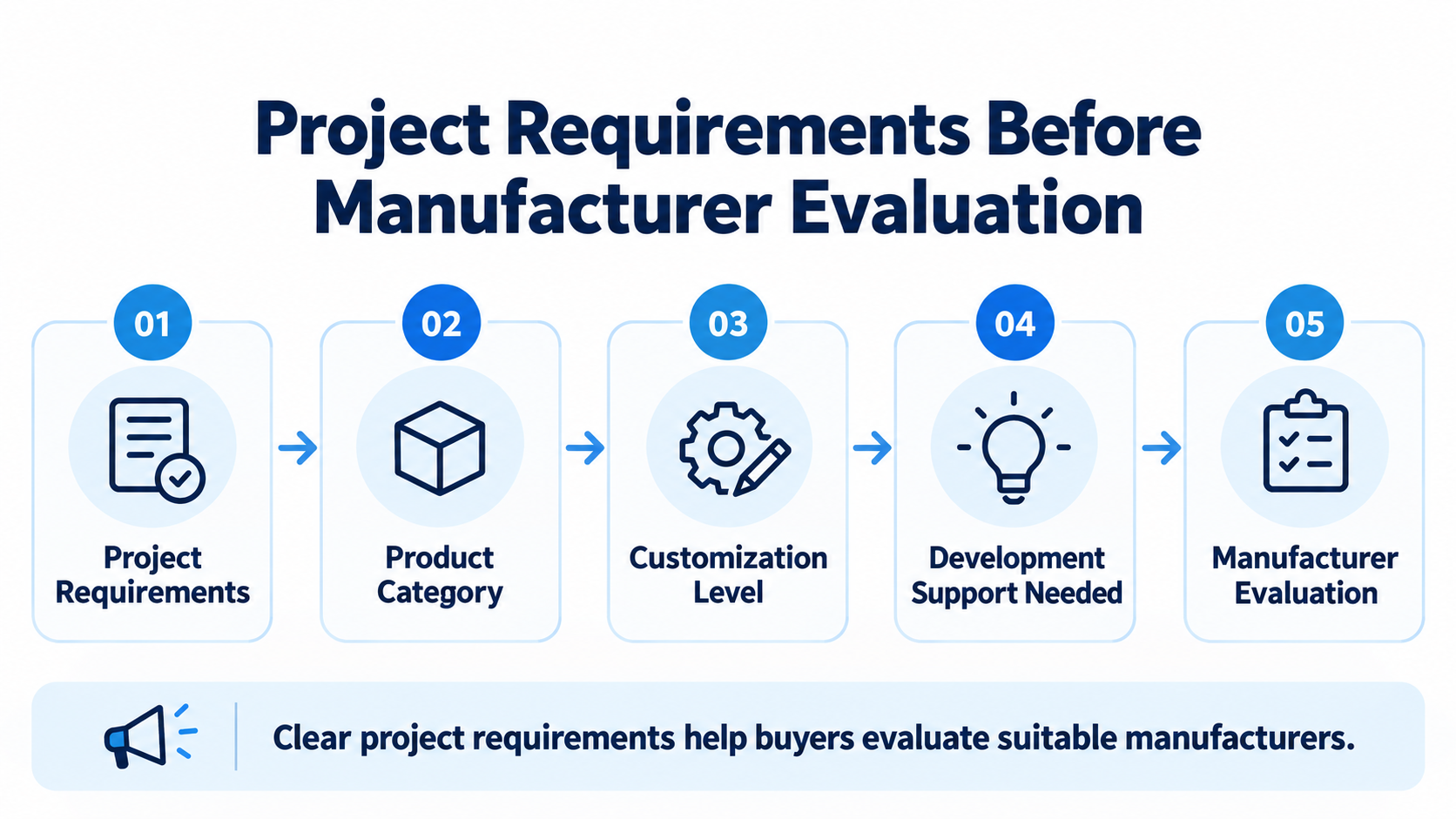
Before starting eyewear manufacturing, buyers and manufacturers need to confirm the basic requirements of the project.
A clear understanding of product requirements helps both sides communicate more efficiently during product development and production.
Define Product Direction and Requirements
Before beginning an eyewear project, brands should prepare important product information, including:
- Product category;
- Design direction;
- Material requirements;
- Branding requirements;
- Customization needs.
Different eyewear projects may involve different product considerations. For example, sunglasses, optical glasses, sports glasses, ski goggles, and kids glasses may have different requirements during development.
Confirm Project Expectations With the Manufacturer
During the early stage of an eyewear project, buyers and manufacturers usually discuss product requirements, development expectations, and project scope.
This stage helps both sides establish a clearer understanding before moving into design development and sample creation.
For brands preparing project information before contacting a manufacturer, you can also review:
Custom Eyewear Product Development Checklist
Design Development and Product Preparation
After product requirements are confirmed, the project can move into design development and product preparation.
Depending on project requirements and cooperation models, manufacturers may participate in product design discussion, development coordination, and product adjustments.
Turning Product Ideas Into Manufacturing Requirements
Before production begins, product ideas usually need to be developed into clearer manufacturing requirements.
This may include:
- Product appearance requirements;
- Design details;
- Material considerations;
- Product specifications;
- Development adjustments.
Development Support Based on Project Requirements
The level of manufacturer involvement may depend on the project requirements and cooperation model.
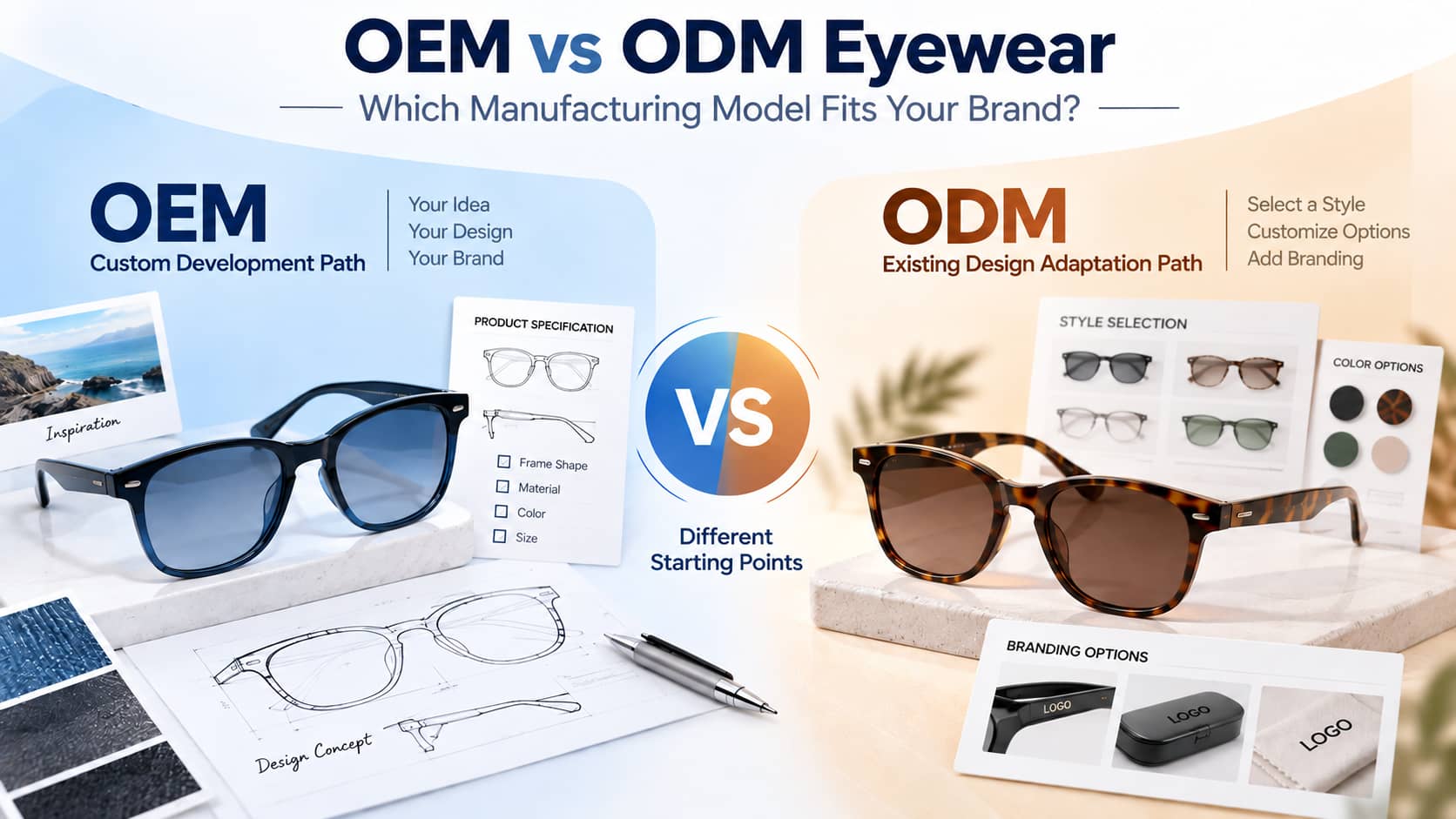
For OEM projects, buyers provide product designs, drawings, and product requirements. HECHANG supports development, sampling, and production based on confirmed project information.
For ODM projects, HECHANG participates in product design, development, and production according to customer requirements and project needs.
The specific cooperation scope may vary depending on customer requirements and project conditions.
Sample Development and Approval
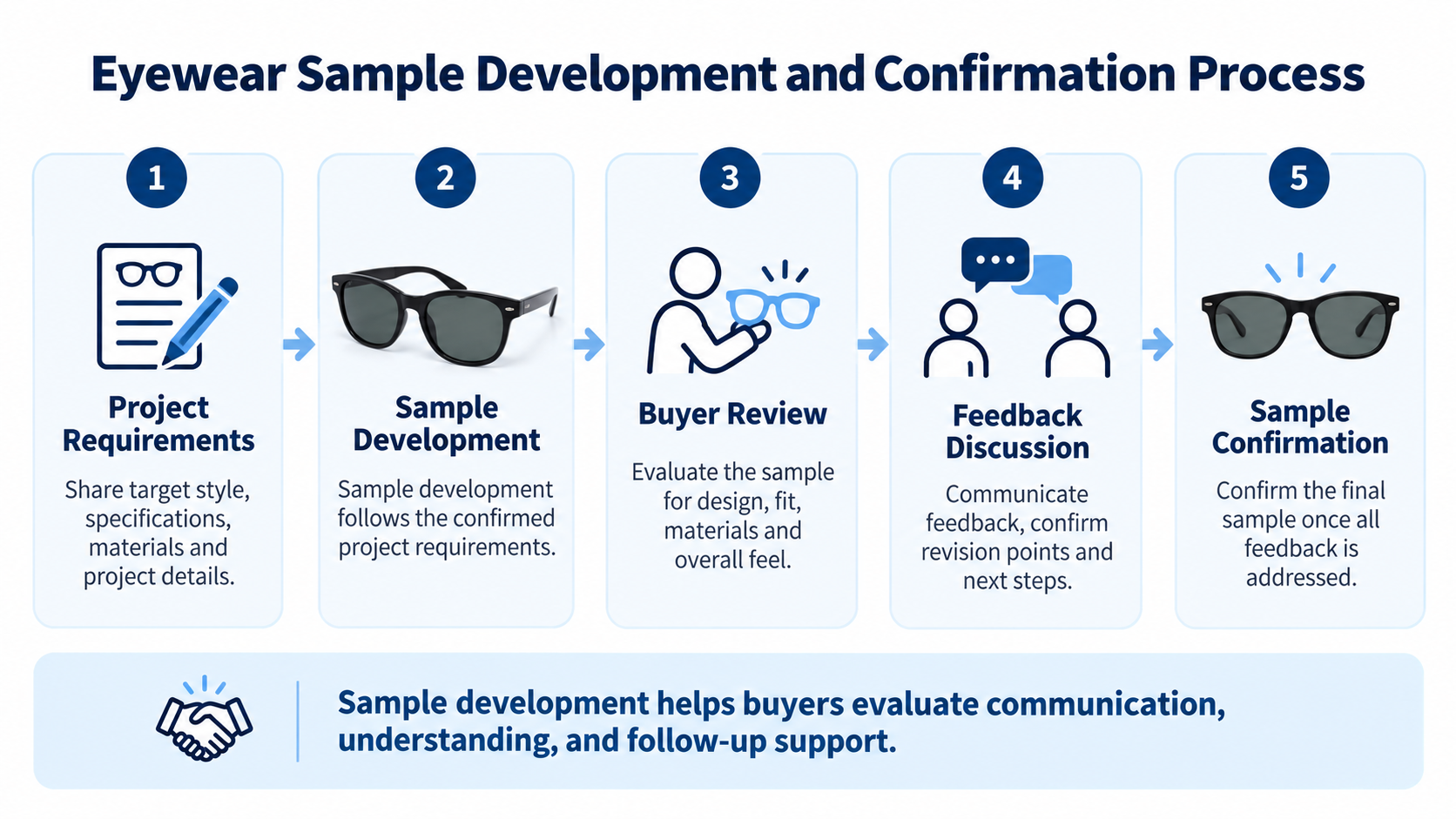
Sample development is an important stage in the eyewear manufacturing process because it allows buyers and manufacturers to review product requirements before mass production.
A sample helps both sides confirm whether product details, design expectations, and project requirements have been correctly understood.
Why Sample Development Matters
During the sample development stage, buyers and manufacturers may review:
- Product appearance;
- Design details;
- Material requirements;
- Product adjustments;
- Final requirements before production.
Sample development also provides an opportunity for buyers and manufacturers to communicate feedback and make adjustments according to project requirements.
Sample Confirmation Before Mass Production
After sample development, buyers usually confirm whether the product meets the agreed requirements before moving into mass production.
The confirmation process may include reviewing product details, discussing feedback, and confirming final requirements with the manufacturer.
For more information about sample confirmation before production, you can also review:
Eyewear Sample Approval Checklist: What Buyers Should Confirm Before Mass Production
Mass Production and Quality Inspection
After product requirements and samples are confirmed, the project can move into mass production.
During this stage, manufacturers produce products according to confirmed requirements and coordinate production details with buyers.
Production Based on Confirmed Requirements
Clear communication before production helps both buyers and manufacturers maintain consistent expectations throughout the manufacturing process.
Important production information may include:
- Confirmed product requirements;
- Approved sample details;
- Production arrangements;
- Project-specific requirements.
The production stage focuses on producing products according to confirmed project information and maintaining communication between buyers and manufacturers.
Quality Control and Inspection
Quality control and inspection are important parts of the eyewear manufacturing process.
Manufacturers may inspect finished products according to project requirements before shipment.
Quality management during production helps ensure that products are reviewed according to confirmed expectations.
The specific quality control approach may vary depending on the product type, project requirements, and cooperation details.
Packaging and Shipment Coordination
After production and quality inspection are completed, products move into packaging and shipment preparation.
Packaging and shipment coordination are important parts of completing an eyewear manufacturing project.
Packaging Requirements
Depending on project requirements, buyers and manufacturers may confirm packaging-related details, including:
- Packaging requirements;
- Brand presentation needs;
- Product information;
- Delivery arrangements.
For branded and private label eyewear projects, packaging requirements are usually discussed as part of the overall project scope.
Shipment Coordination
Shipment coordination involves preparing products for delivery according to agreed project arrangements.
Clear communication regarding shipment information helps buyers and manufacturers complete the final stage of the manufacturing process.
Factors That Affect the Eyewear Manufacturing Process
The complexity and timeline of an eyewear manufacturing project may vary depending on different project factors.
Instead of following one fixed timeline, each project may require different development, communication, and production arrangements.
Product Complexity
Different product requirements may influence the development and manufacturing process.
Projects with more customization, specific design requirements, or complex product details may require additional communication and development coordination.
Development Requirements
The level of development support required can affect the overall project process.
Projects involving more product development discussions or adjustments may require additional coordination between buyers and manufacturers.
Sample Adjustments and Project Changes
Sample feedback and project changes may influence the manufacturing process.
Clear communication and timely confirmation can help reduce unnecessary adjustments during development and production.
How OEM and ODM Models Affect the Manufacturing Process
OEM and ODM models may influence how buyers and manufacturers participate in the eyewear manufacturing process.
The difference mainly relates to the level of buyer involvement and manufacturer participation during product development.
OEM Manufacturing Process
In OEM projects, buyers provide product designs, drawings, and product requirements.
The manufacturer supports development, sampling, and production based on confirmed project information.
ODM Manufacturing Process
In ODM projects, buyers provide project requirements and product direction.
The manufacturer participates in product design, development, and production according to customer requirements and project needs.
The specific cooperation scope depends on project requirements and should be confirmed between buyers and manufacturers.
For a detailed comparison of OEM and ODM manufacturing models, you can also review:
OEM vs ODM Eyewear: Which Manufacturing Model Fits Your Brand?
Choosing the Right Manufacturing Partner for Your Eyewear Project
Understanding the eyewear manufacturing process helps brands and importers better prepare before starting a product project.
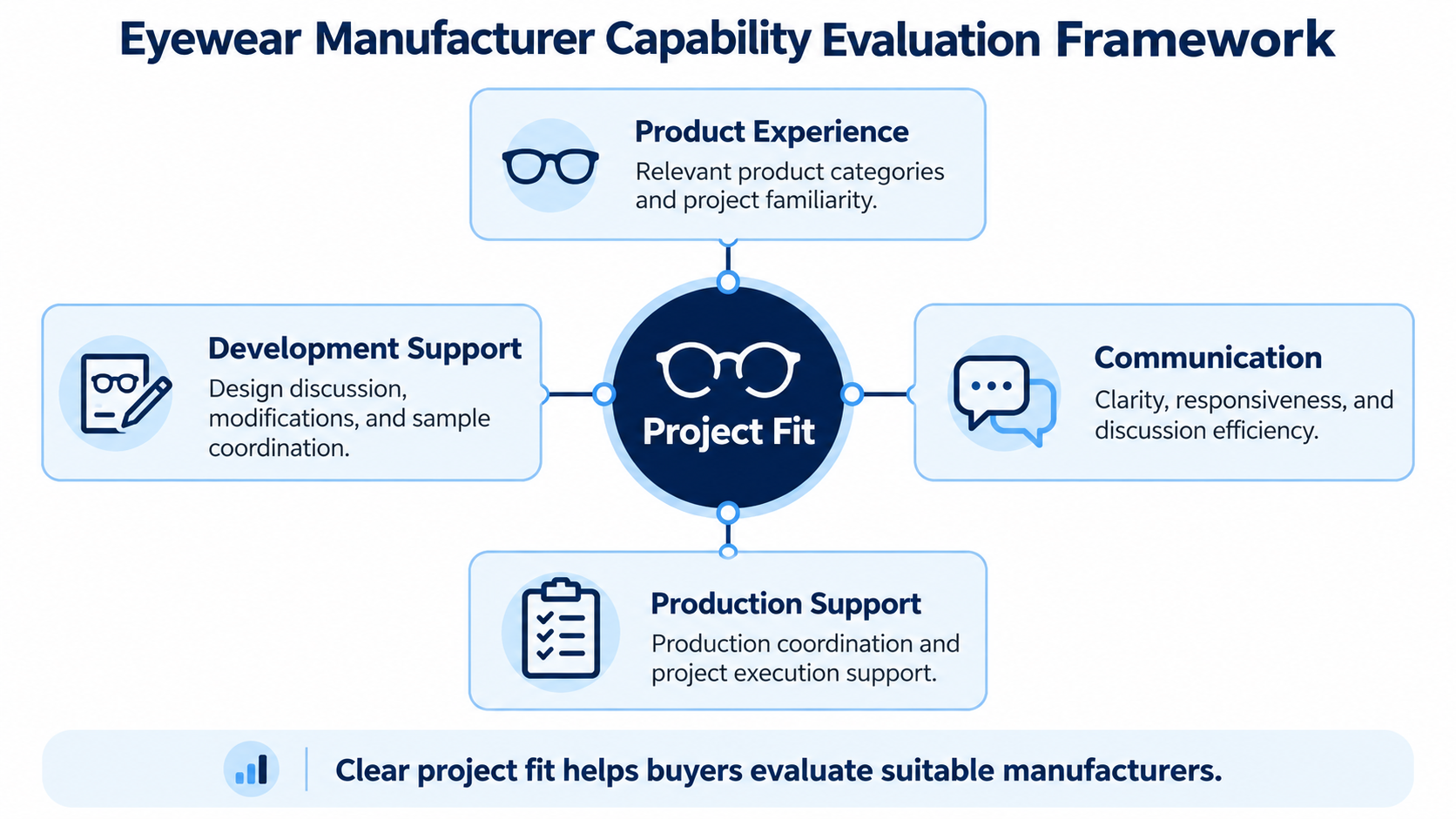
However, understanding the process is only one part of successful cooperation. Buyers also need to consider whether a manufacturer's experience, capabilities, and support approach match their specific project requirements.
When comparing potential eyewear manufacturing partners, buyers may consider:
- Relevant product category experience;
- Manufacturing capability;
- Development support;
- Communication approach;
- Sample development experience;
- Quality control and inspection approach.
The suitable manufacturing partner depends on project requirements and cooperation needs, rather than simply supplier size or general reputation.
For more information about evaluating an eyewear manufacturer, you can also review:
For a deeper guide on evaluating a potential eyewear manufacturer, you can read:
how to evaluate an eyewear manufacturer
FAQ
What are the main stages of the eyewear manufacturing process?
A typical eyewear manufacturing process includes several stages, such as product requirement confirmation, design and development, sample development, sample approval, mass production, quality inspection, packaging, and shipment. The exact process may vary depending on the product type, customization requirements, development scope, and cooperation details between the buyer and manufacturer.
What information should brands prepare before starting eyewear manufacturing?
Before starting an eyewear project, brands should prepare information about their product direction, design requirements, material preferences, branding requirements, customization needs, and expected development support. Clear project information helps manufacturers better understand the product requirements and provide suitable support during development.
How long does the eyewear manufacturing process take?
The timeline of an eyewear manufacturing project depends on different factors, including product complexity, development requirements, sample adjustments, production arrangements, and project communication. There is no fixed timeline for every project because different products and requirements may involve different development stages.
How does sample development work in eyewear manufacturing?
Sample development allows buyers and manufacturers to review product requirements before mass production. During the sample stage, buyers can review product details, provide feedback, discuss adjustments, and confirm whether the sample meets the expected requirements.
What should brands check before mass production?
Before mass production, brands should confirm important product details, including approved sample information, product requirements, customization details, and other project-specific conditions. Clear confirmation before production helps reduce misunderstandings during manufacturing.
What is the difference between OEM and ODM in eyewear manufacturing?
OEM and ODM mainly differ in the level of buyer involvement and manufacturer participation during product development. In OEM projects, buyers usually provide product designs, drawings, and product requirements, while manufacturers support development, sampling, and production. In ODM projects, manufacturers participate more directly in product design, development, and production according to customer requirements and project needs.
Can eyewear manufacturers support product development?
Depending on project requirements and cooperation models, eyewear manufacturers may participate in product development, design discussion, sample development, and production preparation. The specific support scope depends on each project.
What factors affect the eyewear manufacturing process?
The eyewear manufacturing process can be affected by factors such as product complexity, customization requirements, development scope, sample adjustments, and project communication. Understanding these factors helps buyers better prepare before starting a project.
How should brands choose an eyewear manufacturing partner?
Brands should consider whether a manufacturer's product experience, manufacturing capability, development support, communication approach, quality control, and project conditions match their requirements. The suitable manufacturing partner depends on project fit rather than simply supplier size or reputation.
Eyewear MOQ Explained: What Brands Should Know Before Ordering
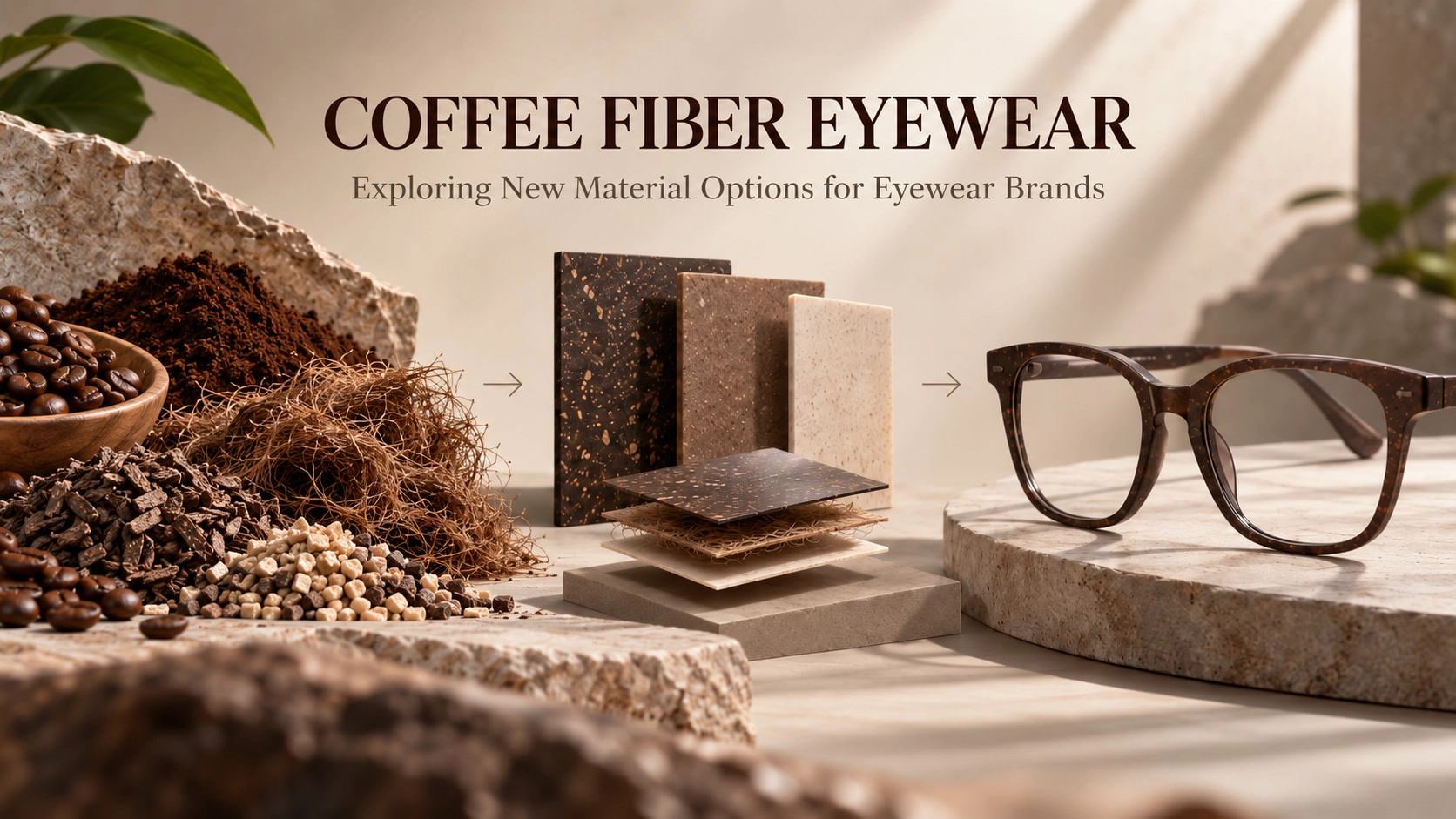
Coffee Fiber Eyewear: A Sustainable Material Solution for Eyewear Brands
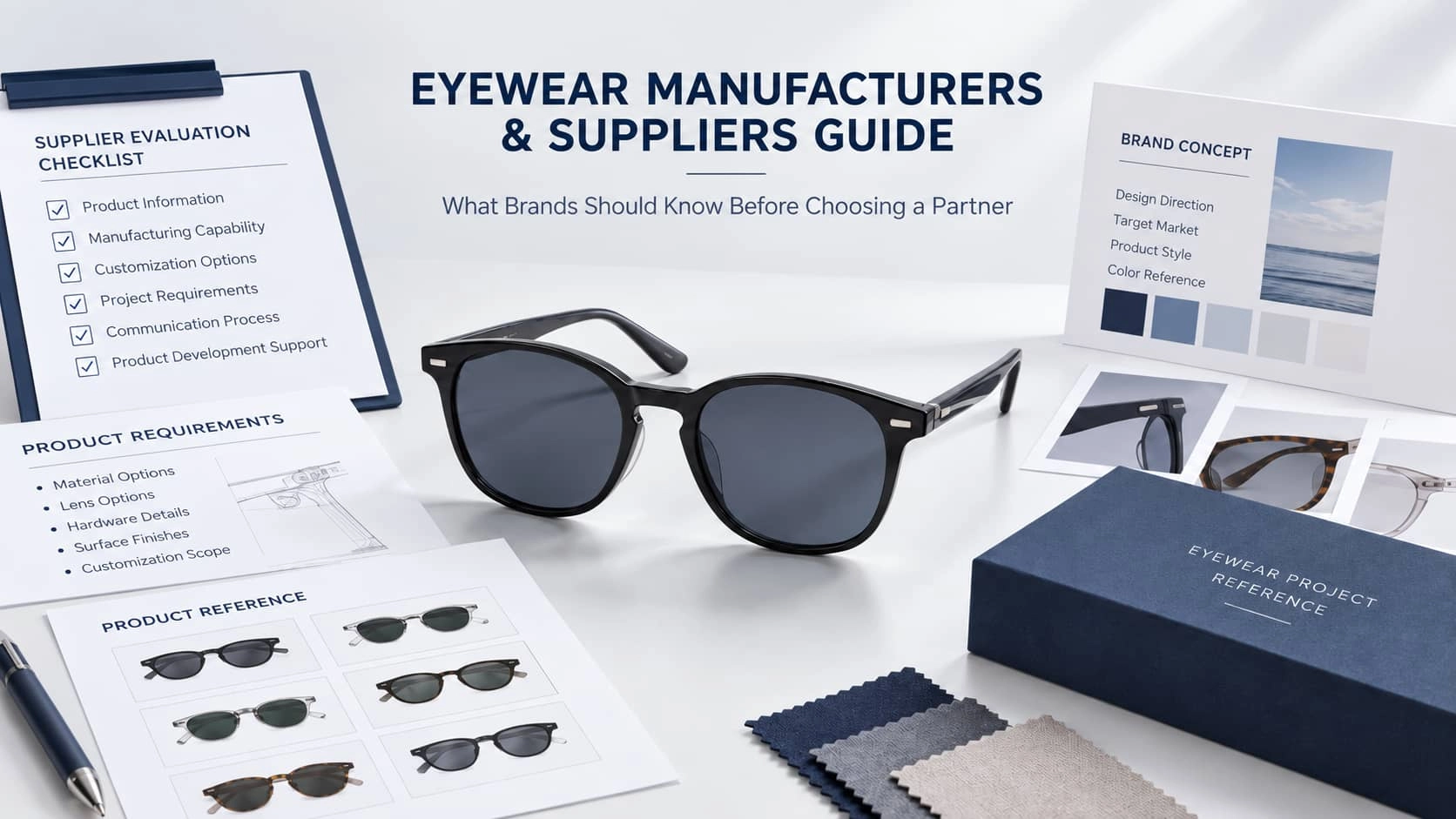
Eyewear Manufacturers and Suppliers Guide for Brands and Importers
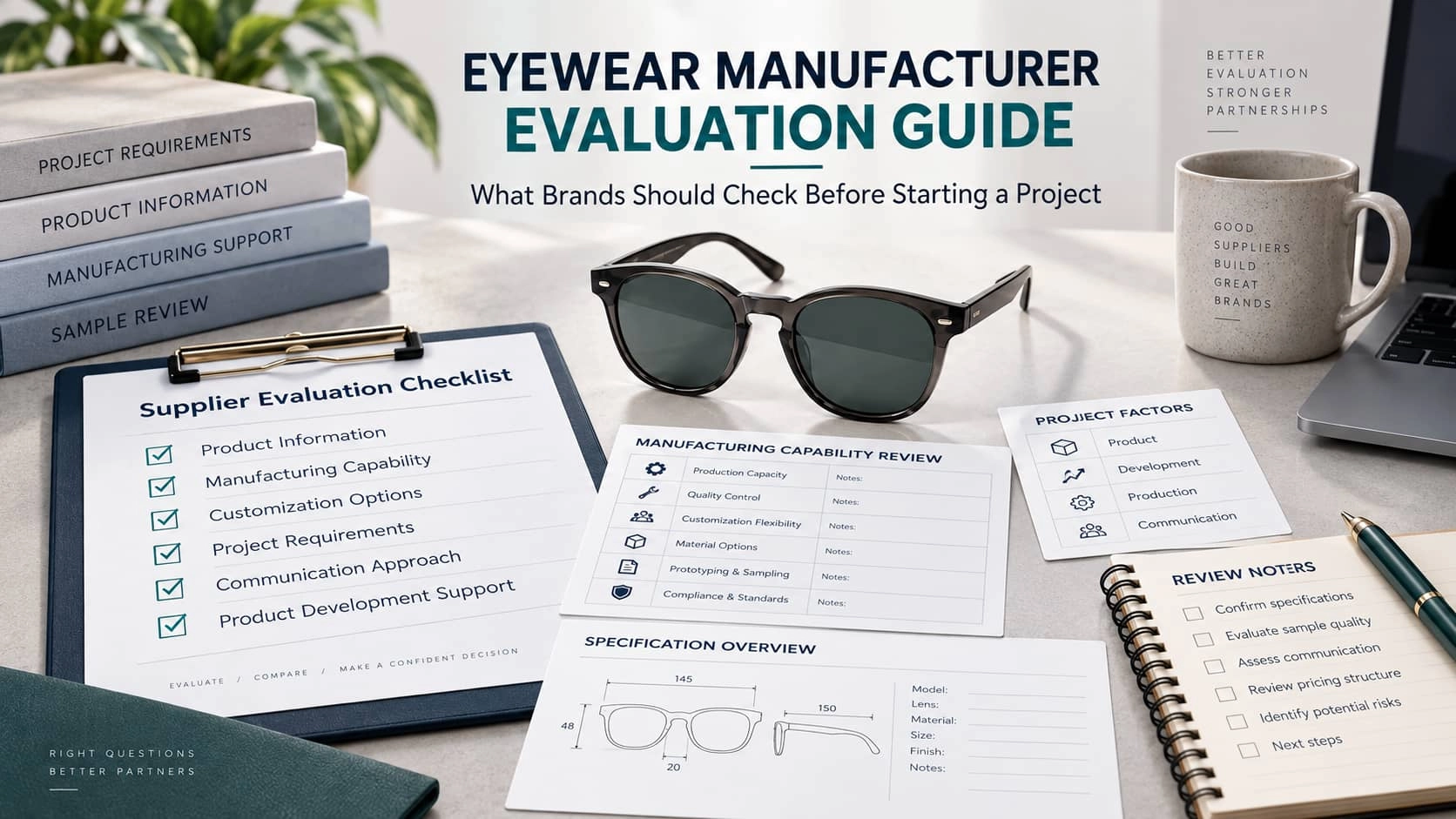
How to Evaluate an Eyewear Manufacturer Before Starting a Project
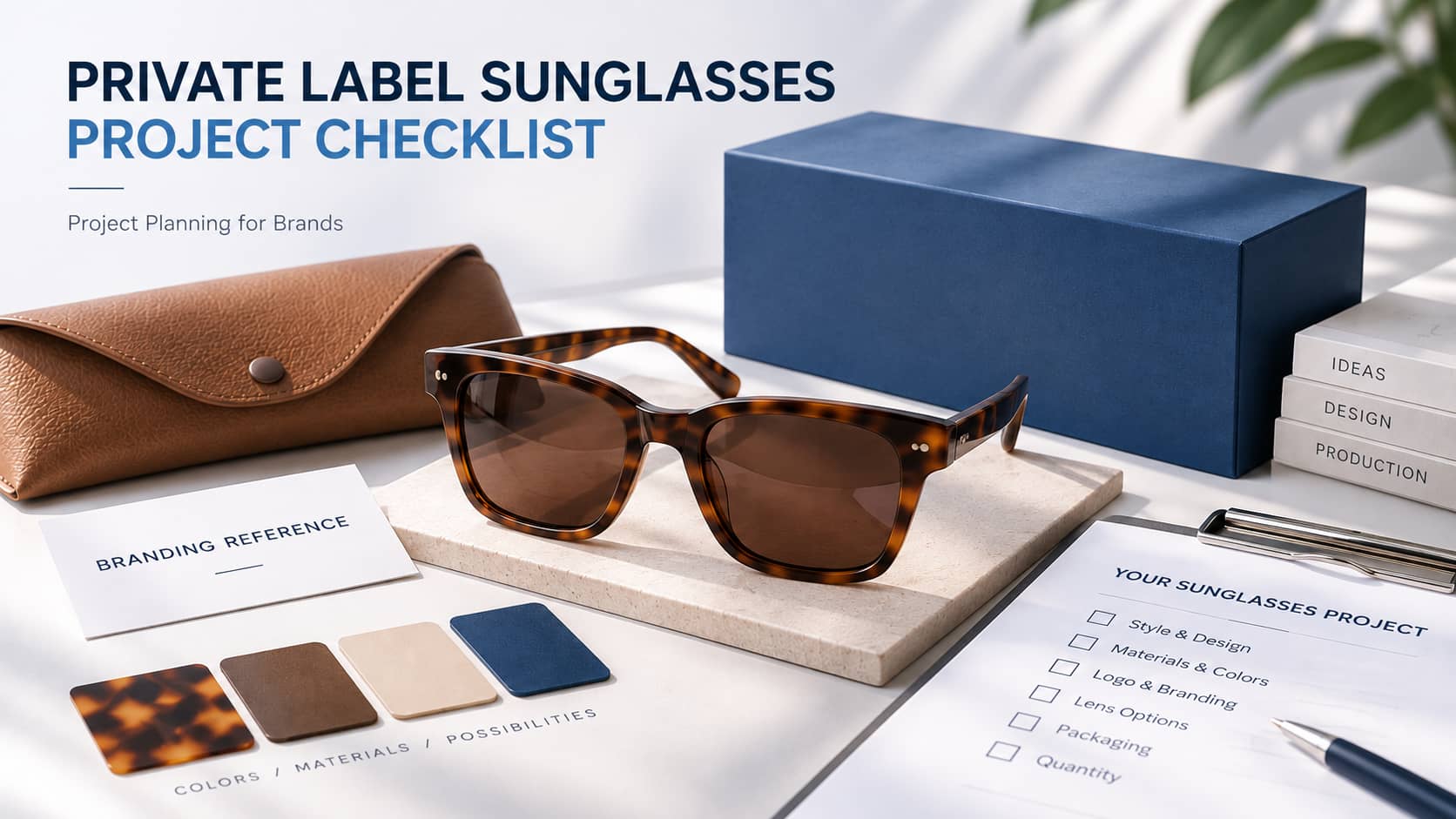
Private Label Sunglasses Project Checklist: What Brands Should Confirm Before Starting
OEM vs ODM Eyewear: Which Manufacturing Model Fits Your Brand?

Customizable Orange Sports Sunglasses S434

Customized fashion sports glasses KF-278

Wholesale Round Slim Metal Frame Fashion Sunglasses OLD7461

Wholesale Sunglasses with Interchangeable Temples HD008
Submit Your Request Now!
Before diving into our services, please take a moment to fill out the corresponding form, detailing the type of eyewear you wish to import from China. Whether it's sunglasses, optical frames, reading glasses, or children’s glasses, we are committed to providing you with tailored solutions that meet your needs. Let us know your preferred materials, whether you require matching glasses case packaging, or any other specific requirements you may have.
Rest assured that your privacy is important to us, and all information provided will be handled with the utmost confidentiality.

MANUFACTURING ROOTS DATING BACK TO 1976.
Specializing in OEM and ODM eyewear manufacturing for international brands, HECHANG Optical serves customers across Europe, the United States, Japan, Australia, India, Russia, and other global markets. More about ↗
We’re here


 Scan QR Code