
Eyewear Frame Components Explained: A Guide for Brands and Designers
Eyewear frames consist of multiple components, including hinges, nose pads, temples, bridges, and other structural parts. This guide explains how these components work together, how different designs affect frame construction, and what eyewear brands should consider when developing custom frames with a manufacturer.
Eyewear frames are made up of multiple components that work together to support lens positioning, structural stability, fit, comfort, and overall product design. For eyewear brands and product designers, understanding these components is important when developing a new frame, selecting an existing style, or discussing customization requirements with a manufacturer.
A frame component should not be evaluated only by its individual function. Its connection to other parts, material selection, dimensions, and construction also influence the finished eyewear product. For example, hinge selection affects how the temples connect to the front frame, while bridge and nose pad configurations influence how the frame fits the wearer's face.
Different frame designs may use different component configurations. HECHANG's product range includes examples such as interchangeable temples, detachable temples, and screwless hinge designs, providing practical references for brands exploring different frame construction options.

What Are Eyewear Frame Components?
Eyewear frame components are the individual structural and functional parts used to construct an eyeglass or sunglass frame. These components work together to hold the lenses, connect the front frame to the temples, and support the overall fit and function of the eyewear.
Common eyewear frame components include:
- Frame Front: The main front structure that holds the lenses and connects to the temples.
- Lens Rim: The surrounding structure that holds and supports the lenses in rimmed frame designs.
- Bridge: The central section connecting the two lens areas and positioned over the nose.
- Endpiece: The outer section of the front frame where the hinge or temple connection is located.
- Hinge: The connecting mechanism between the front frame and the temples.
- Temple: The side arms extending from the front frame toward the ears.
- Temple Tip: The end section of the temple that rests behind the ear in conventional designs.
- Nose Pad: A component that supports the frame on the nose in designs using separate nose pads.
- Pad Arm: The connecting structure that supports the nose pad.
- Screws and Hardware: Small fastening or connecting components used in applicable frame constructions.
Not every eyewear design uses all these components in the same way. Their configuration depends on the frame construction, material, design requirements, and intended application.
How Do Eyewear Frame Components Work Together?
Eyewear frame components form an interconnected structure rather than a collection of independent parts. The design of one component can affect the dimensions, connections, and functional requirements of other components.
Frame Front and Lens Rim
The frame front provides the main structure for the eyewear, while the lens rim supports the lenses in full-rim and other rimmed constructions. Their relationship influences the overall frame shape, lens positioning, and construction requirements. Different frame designs may use full-rim, semi-rimless, or rimless configurations.
Bridge and Nose Pad
The bridge connects the two sides of the front frame and contributes to the overall nose-fit design. Depending on the frame construction, nose support may come from an integrated bridge structure or separate nose pads attached through pad arms.
The bridge and nose pad configuration should be considered together because they affect how the frame sits on the wearer's nose.
Endpiece, Hinge, and Temple
The endpiece provides the connection area between the front frame and the hinge assembly. The hinge connects the temple to the frame front and allows the temple to move between open and folded positions in conventional folding designs.
The temple design, hinge structure, and connection dimensions need to be considered together. Different hinge configurations may require different connection arrangements.
Temple and Temple Tip
The temple extends from the front frame toward the wearer's ear, while the temple tip forms the rear section in conventional designs. Temple length, shape, curvature, and tip configuration contribute to frame fit and wearing comfort.
How Frame Components Affect Eyewear Design and Construction
Component selection influences more than the appearance of an eyewear frame. It also affects structural compatibility, assembly requirements, customization possibilities, and the development work needed to produce the finished product.
Frame Design and Component Compatibility
A frame design must account for the relationship between its components. For example, the selected hinge must be compatible with the endpiece and temple connection, while the bridge and nose support structure must suit the intended front-frame design.
Changing one component may require adjustments to connected parts. A different hinge configuration, for example, may require changes to the connection area or surrounding frame structure.
Material Selection and Frame Construction
Materials influence how frame components are designed, connected, and manufactured. Different materials have different physical and processing characteristics. These characteristics need to be considered when selecting component structures and determining suitable manufacturing methods.
For a broader comparison of lens material options, see our article on eyeglass lens materials .
Interchangeable vs. Detachable Eyewear Temples
Interchangeable and detachable temples are two design concepts that involve separating or changing the temple configuration. However, the terms should not automatically be treated as describing the same structure.
HECHANG's product range includes two relevant examples: HD002 Interchangeable Temples and HD005 Detachable Temples.
| Comparison | Interchangeable Temples | Detachable Temples |
|---|---|---|
| Design concept | Designed to allow temple replacement or configuration changes. | Designed to allow the temple to be separated from the front frame. |
| Main consideration | Temple replacement options and connection compatibility. | Detachment method and connection structure. |
| HECHANG example | HD002 | HD005 |
| Confirmation required | Actual replacement method and compatible configurations. | Actual removal method and connection requirements. |
Interchangeable Temples
Interchangeable temple designs are intended to provide an option for replacing or changing the temple configuration. For eyewear brands, this type of design can provide opportunities to explore different temple appearances or configurations within a product concept.
HECHANG HD002 is an example of an interchangeable temple product design.

Detachable Temples
Detachable temple designs focus on the ability to separate the temple from the front frame through the applicable connection structure. The actual detachment method depends on the specific product construction.
HECHANG HD005 is an example of a detachable temple product design.
The actual connection mechanism, replacement method, and compatibility should be confirmed for the specific product rather than inferred from the product name alone.
Screwless Hinge Design in Eyewear Frames
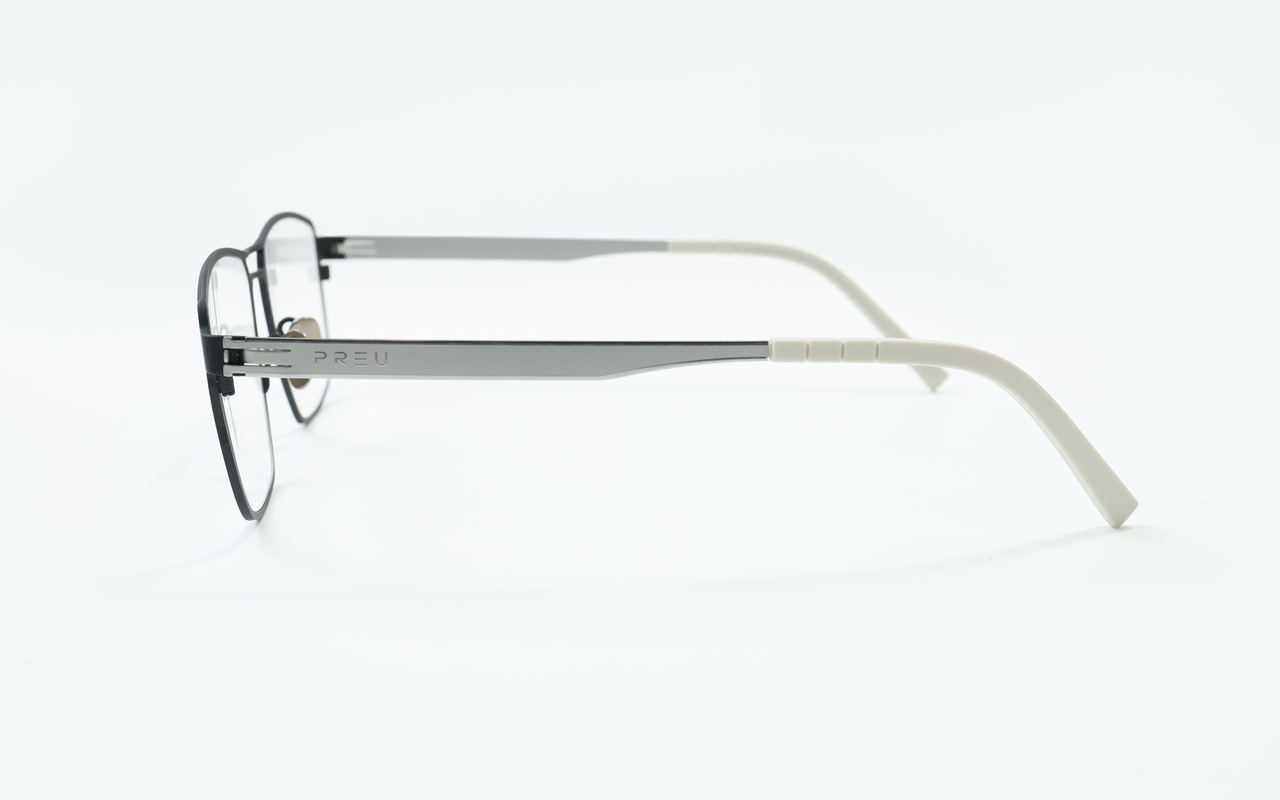
A screwless hinge is a hinge design that does not rely on a conventional screw as its primary hinge connection or fastening element.
Screwless hinge designs provide an alternative approach to connecting the temple and front frame. Their actual construction and operating mechanism depend on the specific hinge design.
HECHANG's product range includes two screwless hinge examples: 260035HA and 260034HA.
260035HA and 260034HA Product Examples
These two models provide practical product references for brands interested in screwless hinge construction. When evaluating a screwless hinge option, buyers should consider the connection structure, compatibility with the frame design, temple movement, and the product's overall construction requirements.
What Should Buyers Confirm About Screwless Hinges?
Before selecting a screwless hinge for a custom eyewear project, buyers should confirm:
- The actual hinge construction used in the selected product;
- How the temple connects to the front frame;
- How the hinge operates during opening and closing;
- Whether the hinge is removable or replaceable;
- Compatibility with the intended frame design;
- Any specific development or assembly requirements.
Screwless hinge designs should not automatically be considered more durable or easier to maintain than conventional screw-based hinges. These characteristics depend on the actual design, materials, manufacturing quality, and product requirements.
Nose Pad and Pad Arm Structures
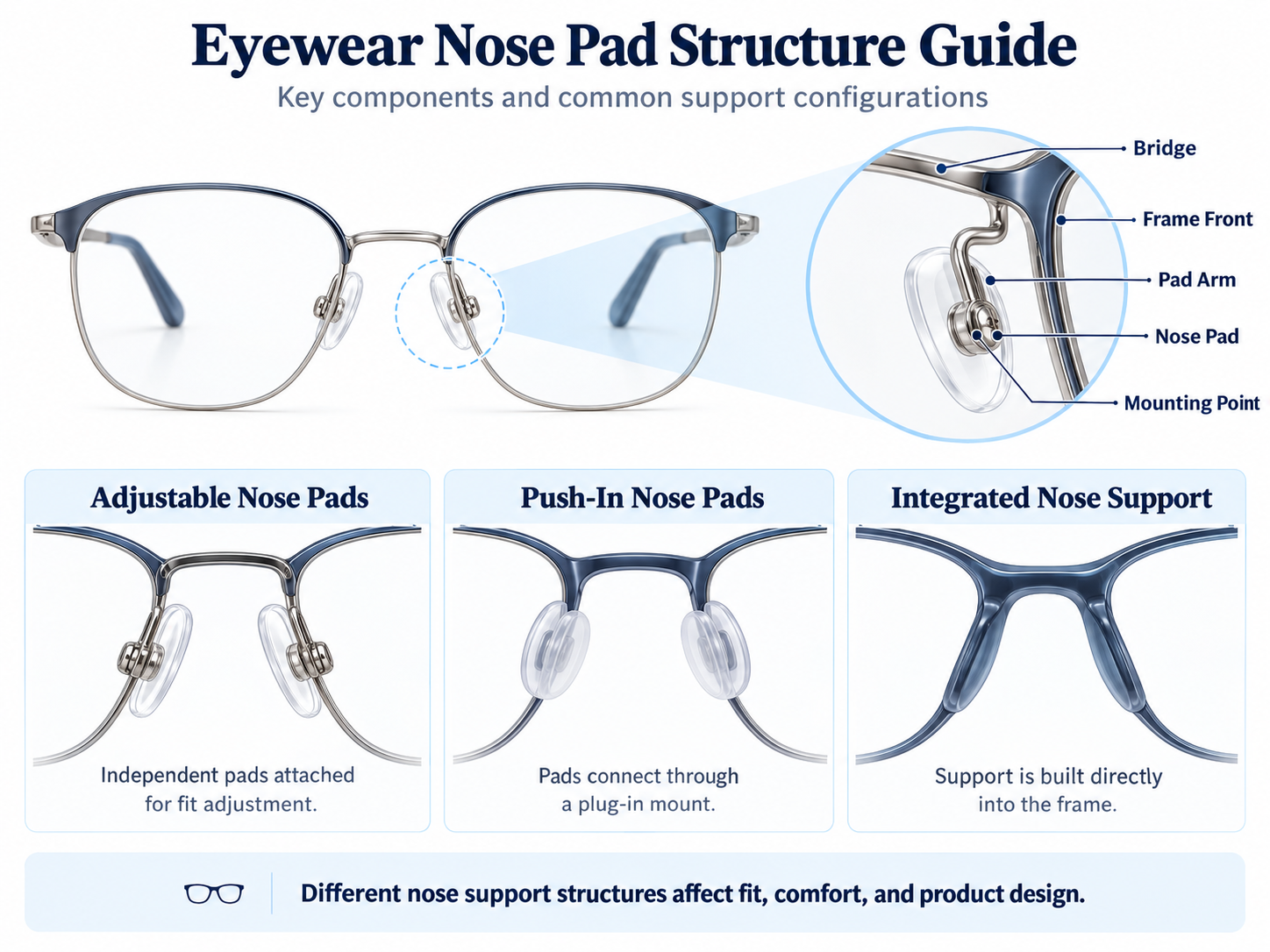
Nose pads are used in eyewear designs that require separate nose-contact components. Together with the pad arms, they support the frame on the nose.
Nose pad configurations can vary according to the frame design. Some frames use integrated nose support, while others use separate nose pads connected through suitable supporting structures.
Integrated and Separate Nose Pad Designs
Integrated nose support is formed as part of the frame structure. Separate nose pads are independent components connected to the frame through suitable supporting structures. The choice depends on the intended frame construction, design, and fit requirements.
Interchangeable Nose Pad Concepts
Interchangeable nose pad designs provide an option for replacing the nose pad component in applicable frame constructions. The connection structure and replacement method need to be evaluated according to the specific product.
Not every eyewear frame supports interchangeable nose pads. For custom development projects, brands should confirm the nose pad structure, available replacement options, and compatibility with the selected frame design.
Hinge Pressing and Frame Assembly in Eyewear Manufacturing
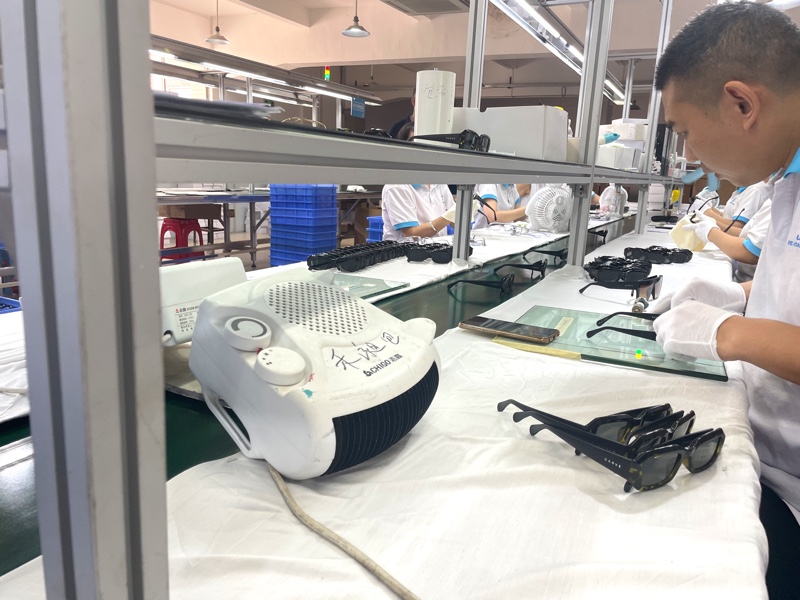
Hinge Pressing and Frame Assembly are manufacturing operations involved in connecting frame components and assembling the finished eyewear structure.
Hinge Pressing
Hinge Pressing is an operation used in applicable frame constructions to install or secure hinge components in their designated positions. The hinge and surrounding frame structure need to be compatible with the intended connection design.
The specific pressing requirements depend on the product construction and selected components. Different frame designs may require different installation arrangements.
Frame Assembly
Frame Assembly brings individual components together to form the finished eyewear structure. This includes assembling the relevant front-frame, hinge, temple, nose support, and other product components according to the intended design.
The compatibility of individual components and their assembly requirements should be considered during product development rather than addressed only after the parts have been selected.
What Should Eyewear Brands Consider When Selecting Frame Components?
When selecting frame components for a new eyewear project, brands should evaluate the complete product configuration rather than choosing each component independently.
How Component Selection Relates to Custom Eyewear Development
Component selection is an important part of custom eyewear development because individual parts need to work together within the intended frame structure.
For a new frame design, brands may need to define the front frame, lens configuration, bridge, hinge, temples, nose support, and other relevant components as part of the overall product requirements.
For an existing style, customization may focus on selected components or product details rather than developing an entirely new frame structure. The development scope depends on the starting product, requested changes, and compatibility of the selected components.
Brands planning a custom eyewear project can discuss their product requirements through HECHANG's Custom / OEM & ODM Eyewear service.
Planning Eyewear Frame Components With HECHANG Optical
HECHANG's eyewear product range includes different frame designs and component configurations, including interchangeable temple, detachable temple, and screwless hinge examples.
These products provide starting references for brands exploring different frame construction options and customization directions. For projects involving special component structures or customized frame designs, the required components, connection compatibility, development scope, and manufacturing requirements should be evaluated according to the specific product.
Brands should provide their intended frame design, component preferences, material requirements, and functional expectations when discussing a new project. The appropriate development approach can then be confirmed with the manufacturer.
Discuss Your Custom Eyewear Frame Requirements
Planning a new eyewear frame or exploring different component configurations? Share your product design, preferred components, materials, and customization requirements with HECHANG Optical.
Our team can discuss the relevant product development and manufacturing requirements according to your project.
Discuss Your Eyewear ProjectFAQ
What are the main components of an eyewear frame?
The main components of an eyewear frame include the frame front, lens rims, bridge, endpieces, hinges, temples, temple tips, nose pads, and pad arms. Depending on the frame construction, additional screws and hardware may also be used. Each component contributes to the structure, connection, fit, or function of the finished eyewear.
What is the function of a hinge in an eyewear frame?
An eyewear hinge connects the temple to the front frame and allows the temple to move between open and folded positions in conventional folding designs. The hinge structure must be compatible with the endpiece, temple connection, and overall frame construction.
What is the difference between interchangeable and detachable eyewear temples?
Interchangeable temples are designed to allow temple replacement or configuration changes, while detachable temples focus on the ability to separate the temple from the front frame. The actual connection structure and removal method depend on the specific product design. HECHANG offers HD002 as an interchangeable temple example and HD005 as a detachable temple example.
What is a screwless hinge in eyewear?
A screwless hinge is a hinge design that does not rely on a conventional screw as its primary hinge connection or fastening element. Its construction and operating mechanism depend on the specific design. HECHANG has screwless hinge product examples, including models 260035HA and 260034HA.
What is the difference between a nose pad and a pad arm?
A nose pad is the component that contacts and supports the eyewear frame on the nose. A pad arm is the connecting structure that supports the nose pad and connects it to the frame. Their configuration depends on the eyewear design.
Are all eyewear nose pads interchangeable?
No. Not all eyewear frames support interchangeable nose pads. Some designs use integrated nose support, while others use separate nose pads connected through pad arms. Replacement options depend on the specific connection structure and product design.
How do eyewear frame components affect product design?
Eyewear frame components affect product appearance, structural compatibility, fit, and manufacturing requirements. For example, hinge selection influences the connection between the front frame and temples, while bridge and nose pad configurations affect how the frame sits on the nose. Component selection should therefore be evaluated as part of the complete frame design.
What is hinge pressing in eyewear manufacturing?
Hinge pressing is a manufacturing operation used in applicable frame constructions to install or secure hinge components in their designated positions. The specific requirements depend on the frame construction, hinge design, and selected components.
Can eyewear frame components be customized?
Eyewear frame components may be customized according to the product design and project requirements. Possible areas for discussion include component dimensions, shapes, colors, materials, and connection configurations. The actual customization scope and manufacturing feasibility should be confirmed for each project.
What should brands consider when selecting eyewear frame components?
Brands should consider frame construction, component compatibility, material requirements, functional expectations, customization scope, and manufacturing and assembly requirements. Evaluating these factors together helps ensure that individual components are suitable for the intended eyewear design and development project.

Visionworks Optical Frame Suppliers: What Public Import Records Reveal

Custom Metal Sunglasses Manufacturer: OEM Solutions for Eyewear Brands

America's Best Optical Frames: Manufacturers & Suppliers

Photochromic Sunglasses OEM: Lens and Frame Development for Brands

Fishing Sunglasses OEM: Lens and Frame Development for Brands

Cycling Sunglasses OEM: Product Design Considerations for Brands
Wholesale Rectangular Beta Titanium Optical Glasses 250095HA
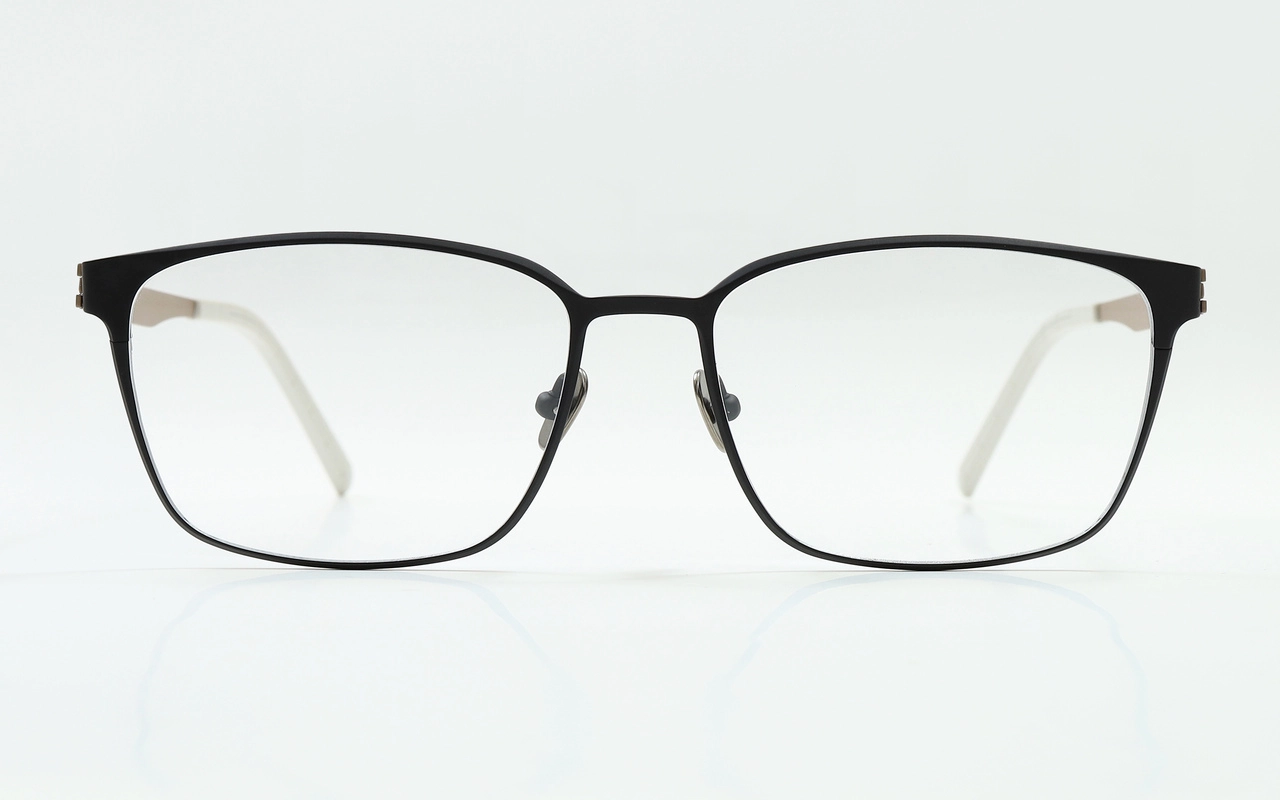
Model 250095HA features a rectangular full-rim design with a beta titanium front and temples. Its slim frame profile and screwless hinges suit everyday optical eyewear collections. Available for wholesale and OEM projects with custom colors and pad-printed logos on the outer temples.
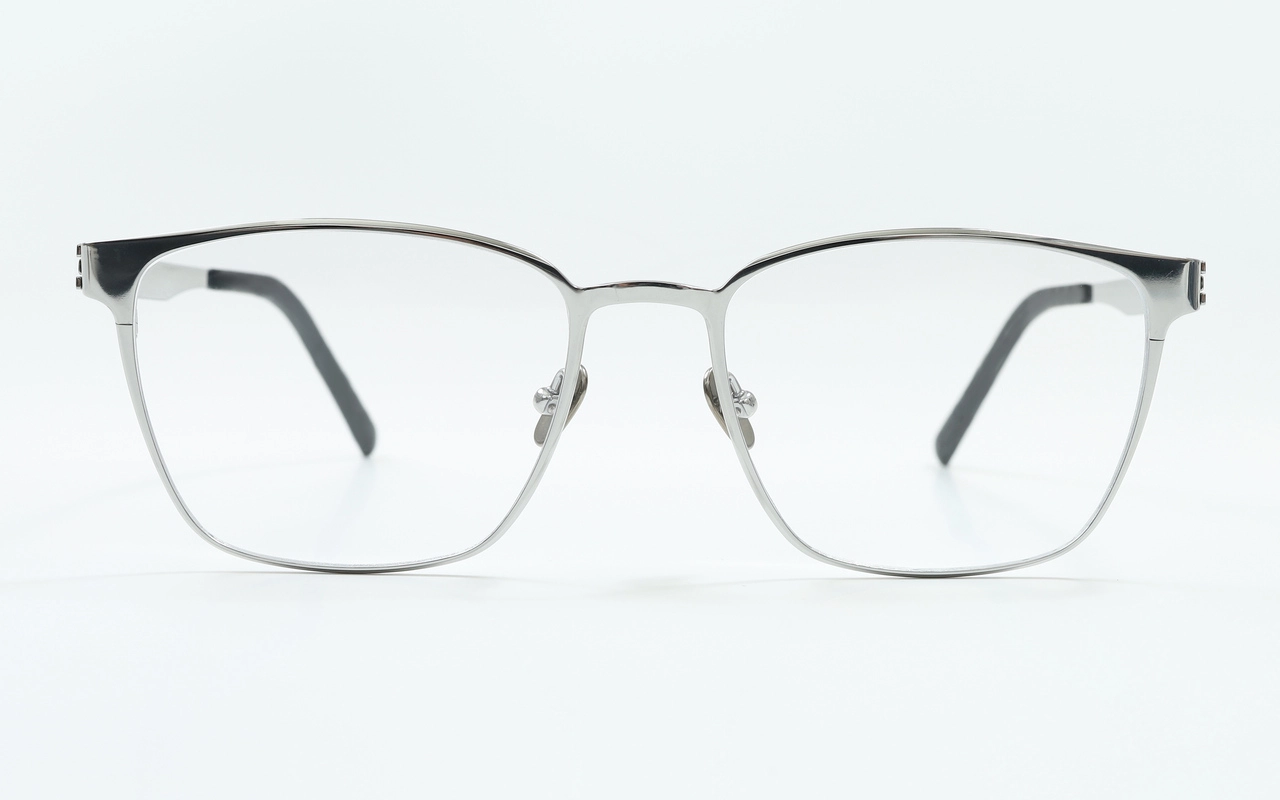
Wholesale Rounded-Square Beta Titanium Optical Glasses 250104HA
Model 250104HA features a rounded-square full-rim design with a beta titanium front and temples. Its slim frame profile and screwless hinges suit everyday optical eyewear collections. Available for wholesale and OEM projects with custom colors and pad-printed logos on the outer temples.
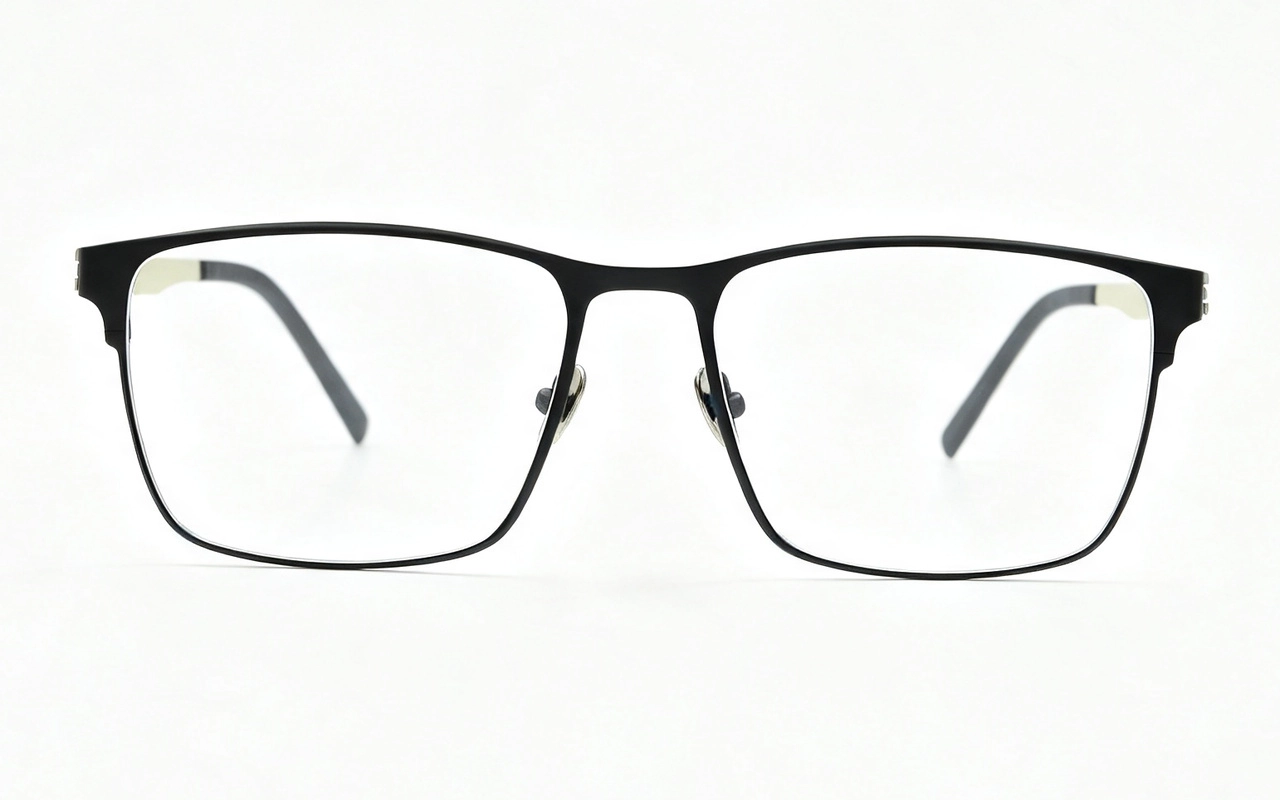
Wholesale Rectangular Beta Titanium Optical Glasses 250105HA
Model 250105HA features a rectangular full-rim design with a beta titanium front and temples. Its slim frame profile and screwless hinges suit everyday optical eyewear collections. Available for wholesale and OEM projects with custom colors and pad-printed logos on the outer temples.
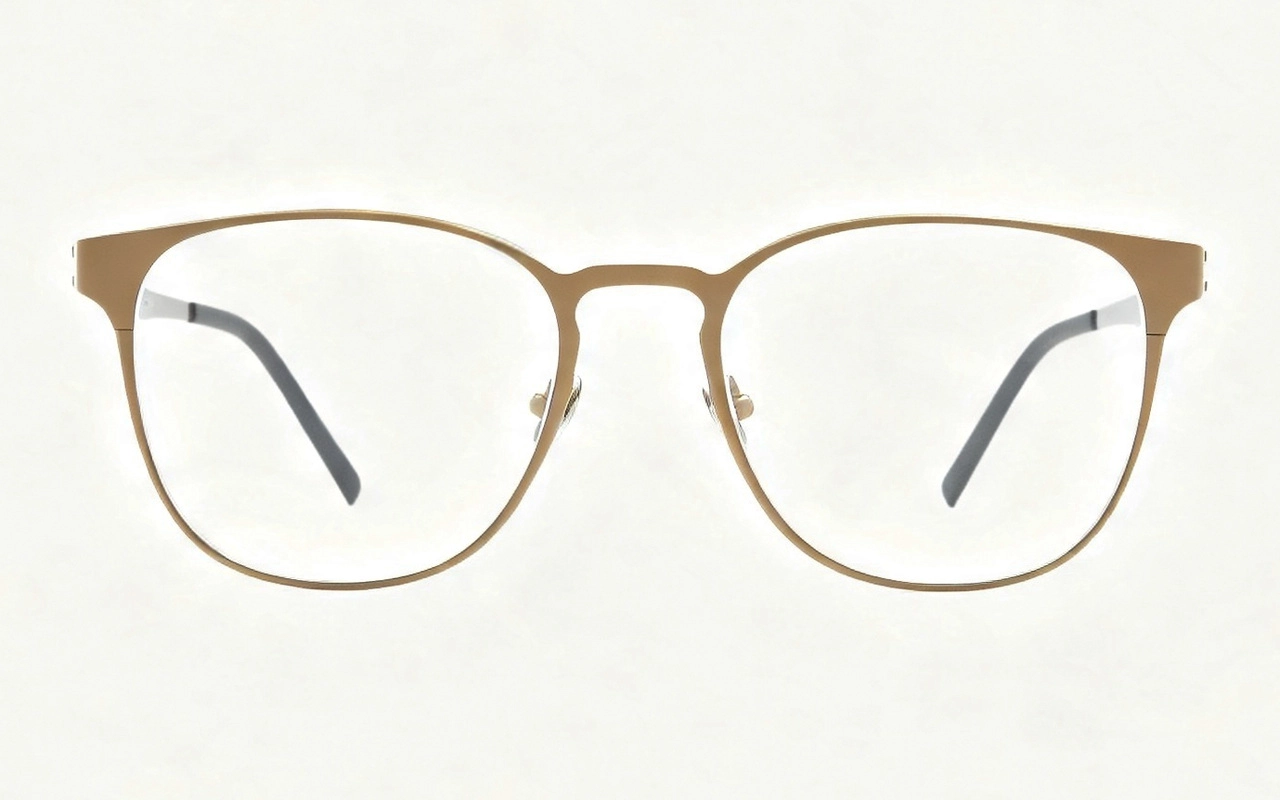
Wholesale Rounded-Square Beta Titanium Optical Glasses 250105HB
Model 250105HB features a rounded-square full-rim design with a beta titanium front and temples. Its slim frame profile and screwless hinges suit everyday optical eyewear collections. Available for wholesale and OEM projects with custom colors and pad-printed logos on the outer temples.
Submit Your Request Now!
Before diving into our services, please take a moment to fill out the corresponding form, detailing the type of eyewear you wish to import from China. Whether it's sunglasses, optical frames, reading glasses, or children’s glasses, we are committed to providing you with tailored solutions that meet your needs. Let us know your preferred materials, whether you require matching glasses case packaging, or any other specific requirements you may have.
Rest assured that your privacy is important to us, and all information provided will be handled with the utmost confidentiality.

MANUFACTURING ROOTS DATING BACK TO 1976.
Specializing in OEM and ODM eyewear manufacturing for international brands, HECHANG Optical serves customers across Europe, the United States, Japan, Australia, India, Russia, and other global markets. More about ↗
We’re here


 Scan QR Code