
Custom Eyewear Product Development Checklist: What Buyers Should Prepare
Learn what buyers should prepare before starting a custom eyewear project. This guide explains how to organize product ideas, design requirements, references, and specifications for better communication with eyewear manufacturers.
Starting a custom eyewear project often begins with an idea. A buyer may have a product concept, a design direction, or a reference product they want to develop into a new eyewear collection.
However, a product idea is not always the same as a production-ready specification. Before contacting an eyewear manufacturer, buyers can improve communication by organizing their product requirements and clarifying their expectations for the project.
In custom eyewear development, clear requirements help buyers and suppliers better understand the project direction before moving into further development discussions.
This process can be understood as:
This article explains what buyers can prepare before starting a custom eyewear project and how to organize their ideas for more effective communication with a manufacturer.
This guide focuses on organizing an initial product idea into clearer development requirements before detailed factory communication begins. For a checklist of the information a factory may need for initial inquiry, quotation, and later production confirmation, see our Custom Eyewear Manufacturing Checklist.
What Are Customer Requirements in Custom Eyewear Development?
Customer requirements are the information buyers organize to help suppliers understand their product ideas, expectations, and project goals.
At the early stage of a custom eyewear project, buyers may not have every production detail finalized. Instead, they may start with a product concept, design direction, reference materials, or basic expectations for the project.
Customer requirements may include:
- Product concept;
- Design direction;
- Expected functions;
- Material preferences;
- Branding requirements;
- Target market considerations;
- Other project-specific needs.
The information provided by buyers can vary depending on the project stage, product type, and development requirements.
Some buyers may already have detailed product information, while others may begin with basic ideas and reference materials before discussing further details with a supplier.
The purpose of organizing customer requirements is to help both sides better understand the project direction before development discussions continue.
If you are preparing information for a new custom eyewear project, you can also review our guide:
Custom Eyewear Manufacturing Checklist: What Should Buyers Provide to the Factory?
Product Idea vs Product Requirements vs Production Specifications
One common challenge in custom eyewear development is understanding the difference between an initial idea, product requirements, and production specifications.
These represent different levels of product information during the development process.
Product Idea
A product idea is the starting point of a custom eyewear project.
It describes what a buyer wants to create and the overall direction of the product.
Examples may include:
- A new eyewear collection concept;
- A specific style direction;
- A target customer group;
- Reference products or visual inspiration.
At this stage, buyers may not have every technical detail finalized. The main goal is to communicate the product vision and development direction.
Product Requirements
Product requirements help buyers organize their product ideas into clearer information for supplier communication.
They may include:
- Design preferences;
- Material preferences;
- Color direction;
- Branding requirements;
- Packaging expectations;
- Functional expectations.
Organizing these requirements helps suppliers better understand what the buyer wants to achieve with the project.
Production Specifications
Production specifications contain more detailed information related to manufacturing requirements. Buyers who want to understand the next stage from product preparation to production can also review the eyewear manufacturing process.
They may include specific product details that need to be confirmed before production.
The amount of specification information required can vary depending on the project.
Not every custom eyewear project starts with complete production specifications. In many cases, product requirements are discussed and refined between buyers and suppliers based on project needs.
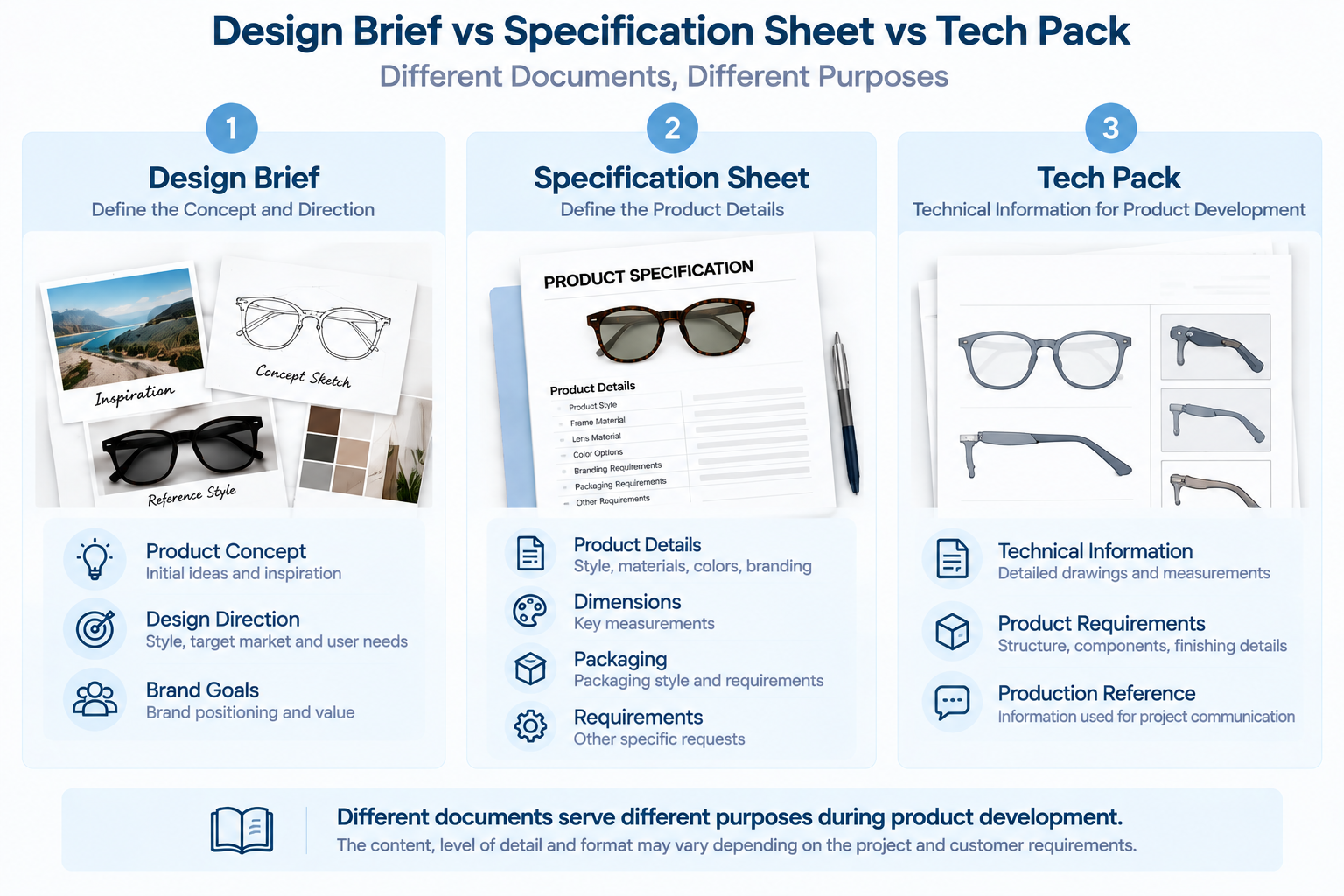
How Should Buyers Organize Product Development Requirements Before Contacting a Manufacturer?
Before contacting an eyewear manufacturer, buyers can organize their product information to make communication more effective. Understanding custom eyewear manufacturing can also help buyers prepare clearer requirements before discussing their projects with a supplier.
The information does not need to be the same for every project. Different buyers may provide different levels of information depending on their product stage, experience, and development needs.
Common types of information may include:
Product Concept and Design Direction
Buyers can prepare a general explanation of their product concept and the direction they want to explore.
This may include:
- Product style;
- Design inspiration;
- Target market considerations;
- Overall product positioning.
A clear product direction helps suppliers better understand the purpose and expectations behind the project.
Reference Images and Existing Product Examples
Visual references can help communicate product ideas, especially when a buyer has a specific style or appearance in mind.
Buyers may provide:
- Reference images;
- Existing product examples;
- Market references;
- Other visual materials.
These references are used to communicate ideas and expectations. They do not always represent final production requirements.
Sketches and Drawings
Some buyers may provide sketches or drawings to communicate their product concepts.
These materials can help explain:
- Design direction;
- Product appearance;
- Specific ideas the buyer wants to explore.
The level of detail in sketches or drawings may vary depending on the project. Further discussions may be needed before production information is finalized.
Branding Requirements
For branded eyewear projects, buyers may also organize their branding expectations.
This may include:
- Logo information;
- Brand elements;
- Brand positioning;
- Packaging expectations.
Clear branding information helps suppliers understand how the product should align with the buyer's brand requirements.
Material and Color Preferences
Buyers may also prepare preferences related to product appearance and materials.
Examples may include:
- Material preferences;
- Color direction;
- Product characteristics;
- Other specific expectations.
The final product details can be discussed and confirmed based on the project requirements.
Product Information and Specifications
Some buyers may already have more detailed product information before contacting a manufacturer.
This may include:
- Dimension information;
- Product specifications;
- Technical details;
- Other project-related information.
However, not every project starts with complete specifications. The level of detail depends on the buyer's preparation and project requirements.
Do Buyers Need a Complete Tech Pack Before Starting a Custom Eyewear Project?
A complete tech pack is not always required before starting a custom eyewear project.
A tech pack is a more detailed document that may include production-related information and technical instructions. It is usually used when more specific manufacturing details need to be communicated.
However, different projects may begin with different types of information.
Some buyers may provide detailed technical documents, while others may start with:
- Product ideas;
- Reference images;
- Existing product examples;
- Basic product requirements.
The important point is that buyers should organize the information they already have and communicate their project expectations clearly.
Product development preparation focuses on helping suppliers understand the buyer's goals. It is different from creating a complete technical production document.
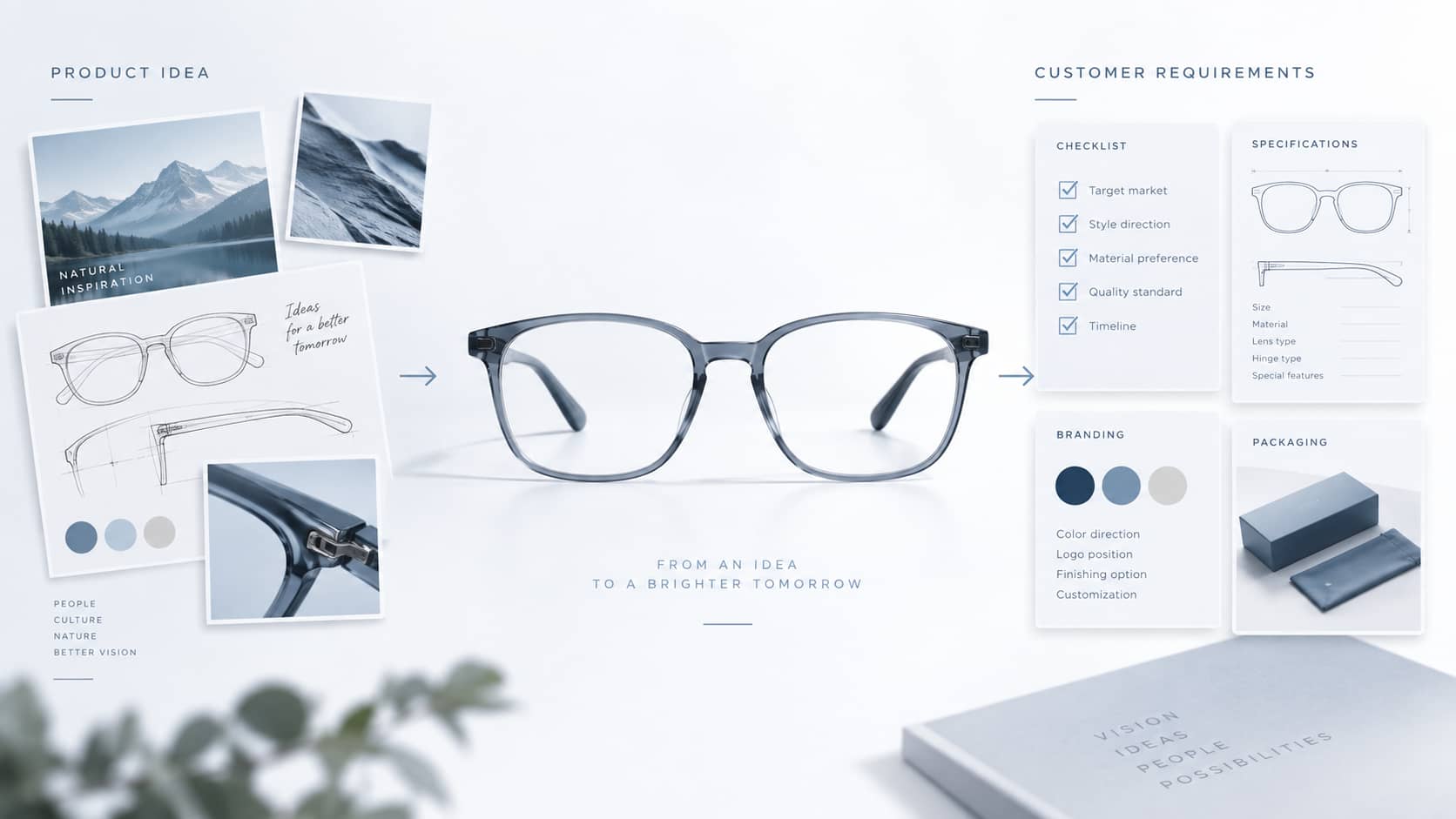
Design Brief vs Specification Sheet vs Tech Pack: What Is the Difference?
During product development, buyers may use different types of documents or information to communicate their ideas and requirements.
These terms describe different levels and purposes of product information.
Design Brief
A design brief is a summary of a buyer's product idea, design direction, and key project expectations before development begins.
It may include:
- Product concept;
- Design direction;
- Target market considerations;
- Brand expectations.
A design brief helps communicate the overall vision of a product.
Specification Sheet
A specification sheet focuses on more specific product requirements.
It may include information such as:
- Product details;
- Dimensions;
- Materials;
- Other confirmed requirements.
The specific content depends on the project and the information that needs to be confirmed.
Tech Pack
A tech pack is a more detailed technical document used to communicate manufacturing-related information.
Not every buyer starts a custom eyewear project with a complete tech pack. The information required depends on the project situation and the level of product development already completed.
What If Buyers Do Not Have Complete Product Information?
Not every buyer starts a custom eyewear project with complete product information or detailed technical documents.
Some buyers may already have clear specifications, while others may begin with:
- A product idea;
- Reference images;
- Existing product examples;
- Basic project requirements.
The level of preparation can vary depending on the buyer's experience, product stage, and project requirements.
The important step is to organize the information that is available and clearly communicate the intended product direction.
As discussions continue, product requirements and details can be further clarified based on the needs of the project.
Preparing a custom eyewear project? Learn more about HECHANG's OEM and ODM eyewear development and customization services.
FAQ
What information should buyers prepare before contacting an eyewear manufacturer?
Before contacting an eyewear manufacturer, buyers can prepare information such as product ideas, design direction, reference images, existing product examples, branding requirements, material preferences, color preferences, and other project-specific needs. The information required may vary depending on the project stage and development requirements.
What is a product development brief for eyewear?
A product development brief is a summary of a buyer's product idea, design direction, and key project requirements before development begins. It helps buyers organize their expectations and communicate their product goals more clearly with suppliers.
Do buyers need a complete tech pack before starting a custom eyewear project?
Not every custom eyewear project starts with a complete tech pack. Some buyers may provide detailed technical documents, while others may begin with product ideas, reference images, existing products, or basic requirements before discussing further details with a supplier.
What is the difference between a design brief and a tech pack?
A design brief focuses on the product idea, design direction, and overall project expectations. A tech pack is a more detailed technical document used to communicate manufacturing-related information. They serve different purposes at different stages of product development.
Can buyers start an eyewear development project without final specifications?
Yes. Buyers may begin a custom eyewear project with product ideas, reference materials, and basic requirements. Final specifications can be discussed and confirmed based on the project situation and development needs.
Eyewear Sample Approval Checklist: What Buyers Should Confirm Before Mass Production

Custom Eyewear Manufacturing Checklist: What Should Buyers Provide to the Factory?
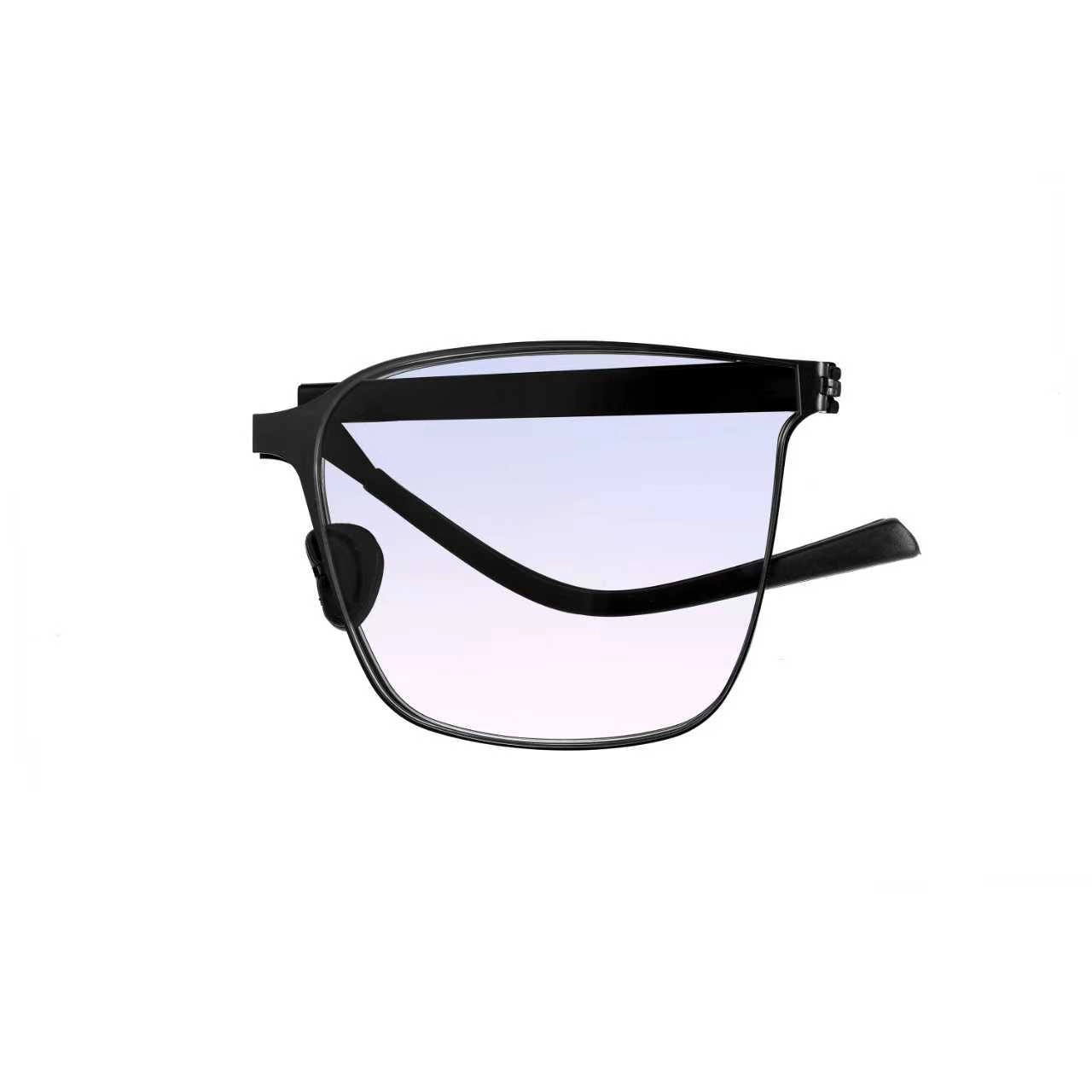
Lightweight Fashion Foldable Card Polarized Sunglasses
Foldable sunglasses----These 2025 foldable card polarized sunglasses combine cutting-edge design with practical functionality, tailored for modern consumers seeking style and portability. Featuring ultra-thin folding technology, weighing only 16 grams, and folding down to a slim 1.6 cm thickness, they easily fit into a pocket or small bag, making them ideal for daily commutes, travel, or outdoor activities. Equipped with high-quality polarized lenses, they offer superior UV protection and clear vision, ensuring comfort and style under the sun.
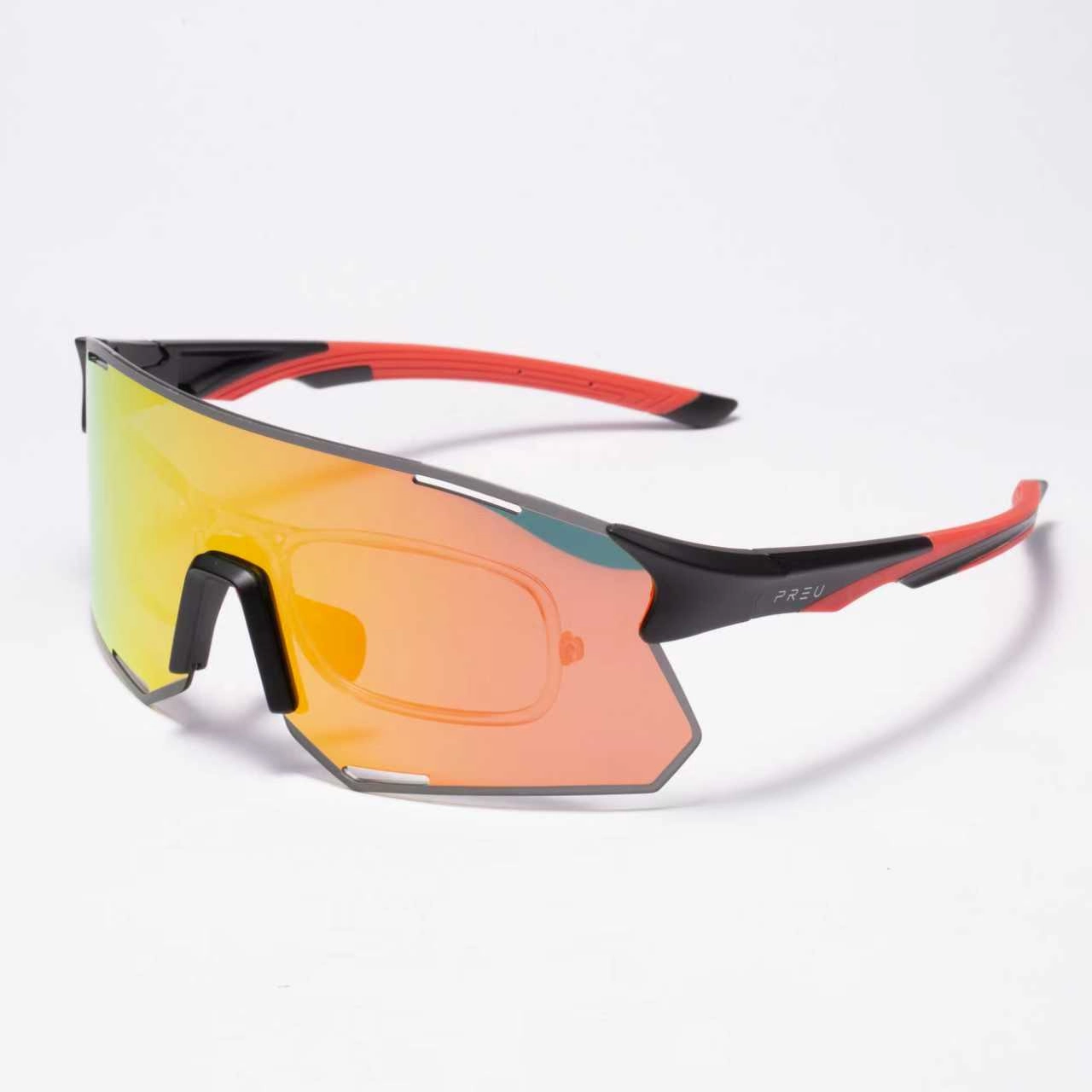
Wave VisionPro Dual-Layer Polarized Sports Sunglasses
The 2025 Hechang VisionPro Dual-Layer Polarized Sports Sunglasses are designed for active individuals who refuse to let vision challenges hold them back. Featuring an innovative dual-layer lens system, these sunglasses allow nearsighted users to seamlessly integrate prescription lenses into the inner layer, ensuring crystal-clear vision during high-energy activities like skiing, skydiving, and ice skating. With superior polarized protection and a bold, sporty aesthetic, these sunglasses empower everyone to enjoy outdoor adventures worry-free.
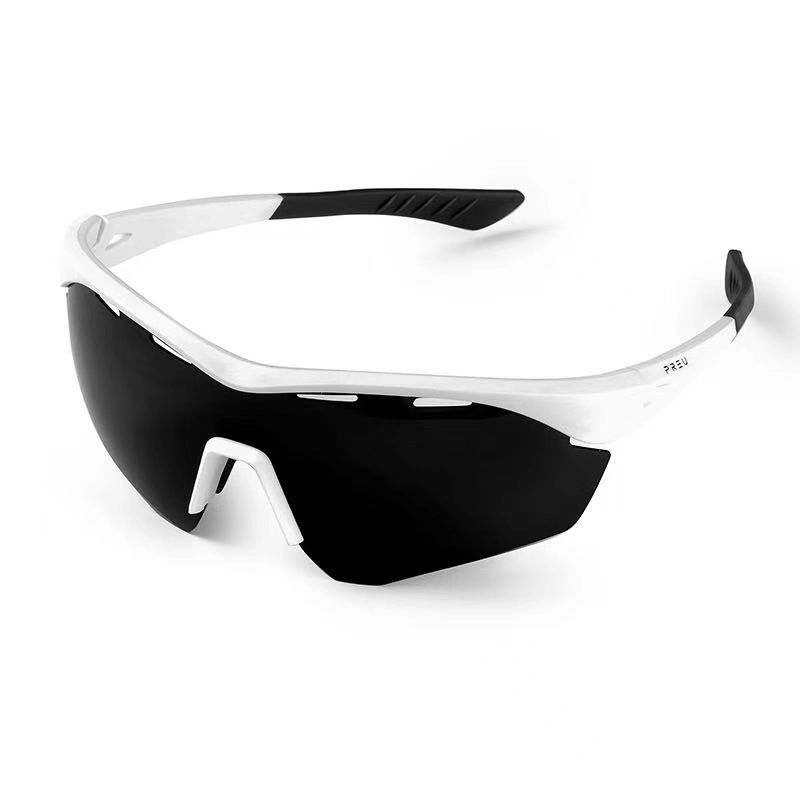
CoolPulse Elite Polarized Sports Sunglasses
Introducing the 2025 CoolPulse Polarized Sports Sunglasses, engineered for dynamic lifestyles and outdoor enthusiasts. Designed with a bold aesthetic and high-performance functionality, these sunglasses are your ultimate companion for cycling, fishing, and other high-energy activities. Available in sleek black, vibrant blue, and sophisticated gray, they offer superior wind and sun protection while elevating your style with a strikingly cool look.
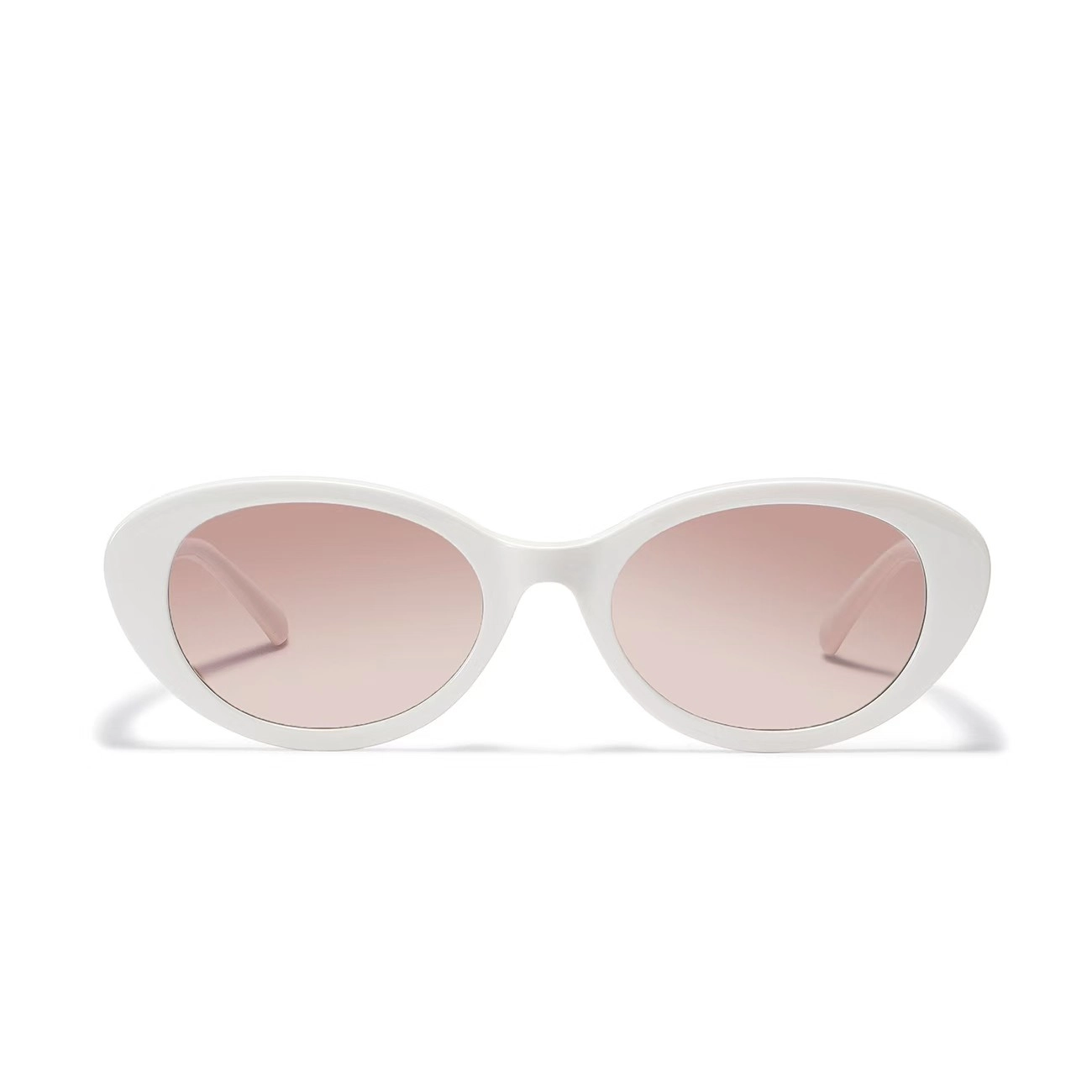
Luxury Cellulose Propionate Sunglasses—Unique Colors and Polished Finish
Submit Your Request Now!
Before diving into our services, please take a moment to fill out the corresponding form, detailing the type of eyewear you wish to import from China. Whether it's sunglasses, optical frames, reading glasses, or children’s glasses, we are committed to providing you with tailored solutions that meet your needs. Let us know your preferred materials, whether you require matching glasses case packaging, or any other specific requirements you may have.
Rest assured that your privacy is important to us, and all information provided will be handled with the utmost confidentiality.

MANUFACTURING ROOTS DATING BACK TO 1976.
Specializing in OEM and ODM eyewear manufacturing for international brands, HECHANG Optical serves customers across Europe, the United States, Japan, Australia, India, Russia, and other global markets. More about ↗
We’re here


 Scan QR Code